Comprehensive Information on Pregnancy Blood Tests Available in Bolton
What Types of Pregnancy Blood Tests Are Offered in Bolton Clinics?
Private Pregnancy Blood Test in Bolton: Women in Bolton are provided with a wide array of pregnancy blood tests specifically designed to confirm pregnancy and monitor its early phases. The most frequently conducted test is the hCG (human chorionic gonadotropin) test, which evaluates the levels of this crucial hormone within the bloodstream. This hormone is generally produced shortly after a fertilised egg adheres to the uterine lining, making it a dependable indicator of pregnancy. NHS facilities throughout Bolton deliver this vital test, ensuring that women receive timely care and support as they embark on the exciting journey of pregnancy.
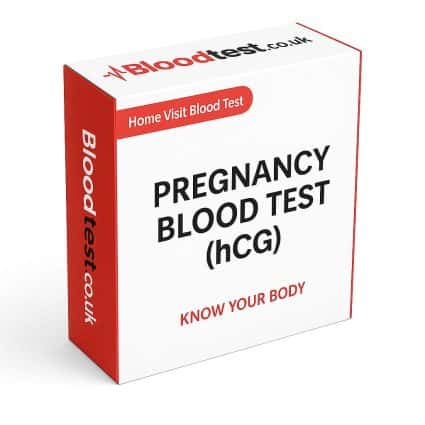

When looking for a pregnancy blood test in Bolton, women can expect a comprehensive evaluation tailored to their individual needs. Additional tests may encompass quantitative hCG tests that accurately measure the hCG levels, enabling healthcare providers to evaluate the progression of the pregnancy with enhanced precision. Recognising that these tests not only confirm pregnancy but also serve as a vital early detection method for potential complications is crucial, ensuring that women receive the highest quality of care throughout their pregnancy journey.
Booking a test is a straightforward process. Women can easily arrange an appointment through their local GP surgery or hospital. Many clinics in Bolton offer the convenience of online booking to simplify this process further. It is advisable to verify any specific requirements prior to the appointment, such as providing identification or previous medical records, to ensure a seamless experience during this important time.
Step-by-Step Instructions for Scheduling a Pregnancy Blood Test in Bolton
Scheduling a pregnancy blood test in Bolton can be achieved through various methods, primarily via local GP surgeries or hospitals. The initial step is to contact your GP, who will assess your need for the test and provide a referral if required. In numerous cases, GPs can refer patients directly to suitable testing facilities within Bolton’s healthcare system, facilitating a smooth process.
NHS guidelines suggest that patients may encounter some wait times, which can fluctuate based on the clinic’s current patient load. Typically, women can expect to wait from a few days to a couple of weeks for an appointment, particularly during peak periods. However, the urgency of your situation may expedite this process, especially if signs of a high-risk pregnancy are present, ensuring that women receive the attention they need without unnecessary delays.
Having the necessary documentation prepared when scheduling your appointment is essential. This might include your NHS number, identification, and any pertinent medical history. Being well-prepared will not only facilitate a smoother booking process but also enable healthcare professionals to deliver the most accurate and timely care tailored to your needs and circumstances.
What Factors Affect the Accuracy of Pregnancy Test Results in the UK?
The reliability of a pregnancy blood test can be influenced by multiple factors, particularly timing and lifestyle choices. In Bolton, as in the rest of the UK, the timing of the test is critical. Testing too early may yield unreliable results, as hCG levels might not yet be detectable. Consequently, it is generally recommended to wait at least one week after a missed period for the most trustworthy outcome, ensuring that women receive accurate information regarding their pregnancy status and health.
Lifestyle factors also play a significant role in influencing test results. For example, hydration levels can affect blood concentration, making it advisable to maintain a healthy lifestyle leading up to the test. Moreover, medications and certain health conditions may impact hCG levels, potentially leading to false positives or negatives. Women should inform their healthcare providers about all medications they are taking, as this information is crucial for accurate interpretation of results and overall care.
To prepare effectively for a pregnancy blood test, arriving well-hydrated is highly recommended. While fasting is generally not required for this type of test, avoiding excessive caffeine and alcohol intake prior to testing can help ensure more reliable results and provide healthcare providers with trustworthy information collected during the test.
How Is a Pregnancy Blood Test Conducted?
What Are the Key Steps Involved in the Blood Draw Procedure?
The process of a pregnancy blood test in Bolton generally entails a simple yet efficient blood draw procedure. Initially, a healthcare professional will explain the steps involved, ensuring comfort and understanding before proceeding. The first step is to locate a suitable vein, typically in the arm, from which blood will be drawn, enhancing the overall experience for patients.
Once the vein is identified, the area will be sanitised with an antiseptic wipe to minimise the risk of infection. A tourniquet may be applied above the draw site to engorge the vein, making it easier to access for blood collection. The phlebotomist will then insert a sterile needle into the vein and collect the blood into a vial. This part of the process is relatively quick, often taking less than a minute, ensuring minimal discomfort for the patient. After the vial is filled, the needle is removed, and pressure is applied to the site to halt any bleeding.
Safety protocols are paramount during this procedure. All equipment used is single-use, and strict hygiene practices are followed to guarantee a comfortable experience for patients. Those undergoing tests in Bolton can rest assured that the facilities adhere to the highest standards of care. Once the sample is collected, it is sent to a laboratory for analysis, where it is efficiently processed to yield results.
Understanding the Significance of Laboratory Analysis in Bolton
In Bolton, blood samples for pregnancy testing are analysed in local laboratories equipped with advanced technology. Once a sample is received, laboratory technicians process it by separating the blood components and analysing the serum for hCG levels. This analysis typically takes a few hours to a day, depending on the clinic’s workload and the time of day the sample was collected, ensuring that women receive timely feedback regarding their pregnancy status and health.
The laboratory staff in Bolton are expertly trained to handle these tests with a high degree of accuracy. They adhere to strict protocols to ensure the reliability of results, employing both manual and automated testing methods. Automated analysers are commonly used to provide quick, precise measurements of hCG levels, which are then compared with standard reference ranges to determine the result. This level of precision is vital to ensure that women receive accurate information about their pregnancies and health.
In addition to confirming pregnancy, the lab results can provide critical insights into the health of the pregnancy. For example, abnormal hCG levels may suggest potential issues, such as ectopic pregnancy or miscarriage. Therefore, it is essential that women in Bolton receive prompt feedback from their healthcare providers after testing, enabling them to make informed decisions regarding their health and wellbeing throughout their pregnancy journey.
How Can Variations in Clinic Equipment Affect Test Results?
The technology utilised in laboratories across Bolton can vary, potentially leading to differences in testing outcomes. While NHS facilities strive for standardisation, some clinics may employ advanced automated systems, while others may rely on traditional manual testing methods. Automated systems can enhance the speed and accuracy of results, providing precise hCG measurements without the risk of human error, which is essential for ensuring accurate patient care.
Manual testing, although effective, can introduce variability depending on the technician’s skill and the equipment used. However, all laboratories in Bolton adhere to the national quality standards set forth by the NHS, ensuring that regardless of the method employed, the integrity of results remains intact. This commitment to quality ensures that women can trust the results of their pregnancy tests, irrespective of the facility they select.
Patients should be aware that while technology can influence testing processes, the fundamental principle of the hCG test remains consistent. It is designed to detect the presence and level of hCG, regardless of the equipment used. Understanding these variations can empower women in Bolton to feel more informed and confident when choosing where to have their tests conducted, ultimately enhancing their overall experience.
Insights from Experts on Pregnancy Blood Testing in Bolton
What Common Misunderstandings Exist About Pregnancy Blood Tests?
Despite the growing awareness surrounding pregnancy blood tests, numerous myths persist, leading to confusion among expectant mothers. One widespread misconception is that blood tests cannot provide accurate results early in pregnancy. However, specialists in Bolton emphasise that blood tests can indeed detect pregnancy much sooner than urine tests, often within just a few days after conception, which is crucial for timely prenatal care and support.
Another prevalent myth is the fear of false positives with hCG tests. While false positives can occur, they are relatively rare and often arise from factors such as recent pregnancies or certain medical conditions. Local healthcare providers advocate for understanding the context of test results and suggest follow-up testing to confirm any unexpected findings, empowering women to make informed decisions about their health and wellbeing.
Addressing these myths is critical for empowering women in Bolton to make informed decisions about their health. By debunking misconceptions and providing evidence-based clarity, healthcare professionals can enhance expectant mothers’ confidence in their healthcare choices, fostering a more supportive environment for those navigating pregnancy.
What Advantages Are Highlighted in Professional Guidelines for Blood Testing?
The Royal College of Obstetricians and Gynaecologists outlines several advantages of undergoing a pregnancy blood test. One key benefit is the ability to confirm pregnancy early, allowing women to initiate necessary prenatal care sooner. This early intervention is vital for monitoring both maternal and foetal health, helping to prevent complications down the line and ensuring that women receive the care they need at the right moment.
In Bolton, adherence to these professional guidelines is evident, with healthcare providers ensuring that women are informed about the importance of early testing. Additionally, the test can offer crucial information regarding the viability of the pregnancy. If hCG levels are not rising as expected, this signal can prompt further investigation into potential issues, enabling timely intervention that is essential for safeguarding maternal and foetal health.
Moreover, the benefits of regular blood testing for monitoring extend beyond confirming pregnancy. Continuous monitoring of hormone levels can help manage high-risk pregnancies more effectively, ensuring that both mother and baby receive the care they require during this critical time. Understanding these benefits encourages women in Bolton to engage actively with their healthcare providers throughout their pregnancy journey.
What Risks Are Associated with Pregnancy Blood Tests, and How Can They Be Mitigated?
While pregnancy blood tests are generally safe, it is important to acknowledge potential risks involved. The most common risk associated with any blood draw is bruising or discomfort at the site of the needle insertion. However, these effects are typically mild and temporary, and understanding them can alleviate concerns for expectant mothers.
To mitigate these risks, healthcare providers in Bolton adhere to strict protocols during blood draws. Ensuring that a trained professional performs the procedure can significantly reduce the likelihood of complications. Patients are encouraged to communicate any concerns before the test, allowing the technician to address them appropriately and enhance the overall experience.
Moreover, women should be aware of the importance of post-test care. After the blood draw, applying gentle pressure to the site and keeping the area clean can prevent infection and promote healing. If any unusual symptoms arise after the test, such as excessive bleeding or signs of infection, seeking medical advice promptly is crucial to ensure any issues are addressed swiftly and effectively.
What Innovations Are Transforming Pregnancy Blood Testing in Bolton?
Bolton’s healthcare facilities are increasingly adopting the latest innovations in pregnancy blood testing. Recent advances in testing technology, such as the development of highly sensitive assays, have improved the ability to detect low levels of hCG, providing even earlier confirmation of pregnancy. These innovations enhance the overall accuracy of tests, ensuring women can trust the results they receive and allowing for timely medical intervention when necessary.
Furthermore, the integration of telemedicine into the consultation process is becoming more prevalent, allowing expectant mothers to discuss their results and concerns with healthcare providers remotely. This development has made accessing expert guidance more convenient, particularly for those with busy schedules or mobility challenges, enhancing the overall experience for patients in Bolton.
In addition to technological advancements, Bolton’s healthcare providers are also focusing on enhancing patient education. By providing clear, accessible information about testing procedures and what to expect, healthcare professionals aim to empower women to make informed decisions about their health. This holistic approach, combining technology with education, is setting a new standard for pregnancy care in Bolton, ensuring that women feel supported throughout their journey.
What Are the Principal Benefits of a Pregnancy Blood Test?
How Does It Facilitate Early Pregnancy Detection?
A pregnancy blood test offers significant advantages for early detection. One of the primary benefits is its capacity to confirm pregnancy sooner than urine tests, which is particularly advantageous for women who may require early prenatal care. In Bolton, local health services recognise the importance of early detection in safeguarding maternal and foetal health, ensuring that women receive the support they need right from the beginning.
Early confirmation enables women to initiate necessary lifestyle modifications and healthcare appointments immediately. For instance, knowing they are pregnant can motivate women to start taking prenatal vitamins and scheduling regular check-ups with their healthcare providers. This proactive approach can significantly enhance outcomes for both mother and baby, contributing to a healthier pregnancy overall.
Moreover, early detection through blood testing can facilitate more informed decision-making. Women who are aware of their pregnancy status earlier can address potential health risks promptly and plan for their pregnancy journey, aligning with UK health guidelines. This awareness empowers women to take charge of their health from the outset, fostering confidence and control during their pregnancy.
How Does Accuracy Compare to Other Testing Methods?
One of the key advantages of pregnancy blood tests is their superior accuracy compared to traditional urine tests. Blood tests can detect even minimal levels of hCG, allowing for reliable results from the very early stages of pregnancy. This level of precision is particularly essential for women in Bolton when making critical decisions about their health and ensuring they receive appropriate care.
In contrast, urine tests may yield misleading results, particularly if taken too early or if hydration levels fluctuate. Blood tests mitigate these issues, delivering consistent outcomes that women can trust. The ability to quantify hCG levels also allows healthcare providers to monitor the progression of the pregnancy effectively, offering peace of mind to expectant mothers during this critical time.
Understanding the precision of blood testing can empower women to make confident choices about their pregnancy journey, ensuring they have the information needed to engage effectively with healthcare providers and facilitating a collaborative approach to maternal care.
What Long-Term Health Insights Can Blood Tests Provide?
Beyond confirming pregnancy, blood tests provide vital long-term health insights. The results of these tests can inform ongoing care decisions, including screening for potential complications. In Bolton, healthcare providers utilise these insights to create tailored care plans for expectant mothers, ensuring comprehensive support throughout the pregnancy journey.
For instance, abnormal hCG levels detected through testing may indicate the need for further evaluation or intervention. This proactive approach can identify conditions such as ectopic pregnancy or miscarriage risks, allowing for timely management that is invaluable for safeguarding the wellbeing of both mother and child. Such foresight helps healthcare providers offer tailored care based on individual circumstances and needs.
Furthermore, results from blood tests can also inform future healthcare decisions, as they provide historical data on hCG levels that may be relevant for subsequent pregnancies. Understanding these patterns can assist healthcare providers in tailoring care and support based on individual medical histories, ultimately leading to improved health outcomes for mothers and their babies.
Research-Backed Benefits of Pregnancy Blood Tests in Bolton
What Evidence from UK Studies Supports Their Effectiveness?
Numerous studies conducted across the UK highlight the effectiveness of pregnancy blood tests in ensuring reliable pregnancy monitoring and early detection. These studies underscore the importance of timely testing, demonstrating that early intervention significantly improves maternal and foetal health outcomes. In Bolton, local healthcare providers are implementing these findings to optimise care for expectant mothers, ensuring they receive the best possible support.
Key benefits identified in research include enhanced accuracy of blood tests over urine tests and earlier detection of pregnancies. This capability enables healthcare professionals to monitor high-risk pregnancies more closely, which is particularly important for populations with unique health challenges. By leveraging these insights, Bolton’s healthcare system is ensuring that women receive appropriate care tailored to their needs.
- Early detection of pregnancy
- Higher accuracy rates compared to urine tests
- Proactive management of high-risk pregnancies
- Informed decision-making for maternal health
- Timely identification of potential complications
- Enhanced patient-provider communication
- Improved long-term health monitoring
- Integration with national health initiatives
How Are Pregnancy Blood Tests Integrated into Antenatal Care Programmes?
The integration of pregnancy blood tests into antenatal care programmes represents a significant advancement in ensuring comprehensive healthcare for women in Bolton. NHS initiatives across the UK advocate for the seamless integration of blood tests into routine prenatal care. This integration facilitates early and accurate pregnancy monitoring, enabling healthcare providers to offer tailored support as needed and ensuring that every woman’s needs are met throughout her pregnancy.
In Bolton, healthcare facilities are collaborating with local GP surgeries to ensure that blood tests are a standard part of the antenatal care pathway. This approach promotes a holistic view of maternal health, ensuring that women receive consistent, continuous care throughout their pregnancy, thereby enhancing their overall experience and wellbeing.
Moreover, this integration allows healthcare professionals to provide expectant mothers with valuable educational resources about the significance of blood tests. By fostering awareness, women can better understand the role of these tests in their overall health and how early interventions can have a lasting impact on maternal and foetal wellbeing. This knowledge empowers women to take an active role in their health care and decision-making processes.
How Do Pregnancy Blood Tests Improve Patient Outcomes?
Research indicates that regular pregnancy blood tests can significantly enhance patient outcomes, particularly in managing pregnancies effectively. In UK studies, women who undergo frequent blood testing demonstrate better overall health during pregnancy. This is especially true for those at risk of complications, as these tests facilitate early detection and intervention, leading to healthier pregnancies.
In Bolton, healthcare providers have observed that women who consistently participate in testing tend to have improved health metrics, resulting in healthier pregnancies and reduced incidence of complications. By establishing a routine that includes blood testing, expectant mothers can closely monitor their health, making informed decisions that benefit both themselves and their babies. This proactive approach is central to optimising maternal health and wellbeing.
Additionally, the availability of immediate feedback from blood tests allows for timely adjustments to care plans, ensuring that each woman’s unique needs are met. This approach to patient care underscores Bolton’s healthcare system’s commitment to nurturing healthy pregnancies and supporting women throughout their journeys.
When Is the Optimal Time to Get a Pregnancy Blood Test?
What Is the Best Timing for First-Time Mothers in the UK?
For first-time mothers in Bolton, the optimal timing for a pregnancy blood test is generally one week after a missed period. This timeline aligns with NHS guidelines, ensuring that hCG levels have risen sufficiently for accurate detection. Women are encouraged to consult their GP if they suspect they might be pregnant, as early testing can provide essential information for prenatal care and overall health management.
However, individual circumstances may vary, and some women may benefit from earlier testing, particularly if they have irregular cycles or have experienced previous complications. Healthcare providers are well-equipped to guide expectant mothers on the best timing for their unique health histories and circumstances, ensuring that each woman receives personalised care tailored to her needs.
Understanding the significance of timing can help first-time mothers feel more prepared and informed as they navigate the early stages of pregnancy. By adhering to these guidelines, women can ensure they receive the care they need at the right moment, fostering a positive experience during this exciting time.
What Factors Might Require Earlier Testing?
Certain factors may necessitate earlier pregnancy blood tests for women in Bolton. For example, women with a history of ectopic pregnancies or those experiencing abnormal symptoms, such as severe abdominal pain or unusual bleeding, may be advised to seek testing sooner. These indications can signal potential complications that require immediate medical attention, underscoring the importance of proactive care and monitoring.
Additionally, women who are undergoing fertility treatments or have previously struggled with conception should maintain close communication with their healthcare providers. These situations may necessitate early monitoring to ensure potential issues are identified promptly, enabling timely intervention and support for their health and wellbeing.
Ultimately, healthcare professionals in Bolton can assess individual risk factors and recommend earlier testing when necessary. This proactive approach helps ensure the wellbeing of both mother and baby throughout the pregnancy journey, fostering a supportive healthcare environment.
What Follow-Up Testing Schedules Should Be Considered?
Once a pregnancy blood test confirms pregnancy, follow-up testing schedules may be advised to monitor hCG levels and assess the progress of the pregnancy. In Bolton, healthcare providers typically suggest repeating the blood test within a week or two to ensure that hCG levels are rising as expected. This is especially important for women with high-risk factors or those who have experienced complications in previous pregnancies, allowing for ongoing assessment and care throughout their pregnancy.
Routine follow-up tests facilitate continuous monitoring of the pregnancy, enabling healthcare providers to identify abnormalities early. This proactive approach is crucial in safeguarding the health of both mother and child, ensuring that any necessary interventions can be implemented promptly and effectively.
Moreover, as the pregnancy progresses, healthcare providers may recommend additional blood tests to screen for various conditions, such as gestational diabetes or other complications. These follow-up schedules are tailored to each woman’s specific health needs, ensuring comprehensive care throughout the pregnancy and fostering a supportive environment for expectant mothers.
How Can I Prepare for a Pregnancy Blood Test?
Preparing for a pregnancy blood test is essential for ensuring reliable results. Women in Bolton should follow NHS recommendations, which typically include staying hydrated before the test. While fasting is not usually required, it is advisable to limit excessive caffeine and alcohol in the days leading up to the test to enhance accuracy and ensure optimal health.
Additionally, women should communicate any medications they are currently taking to their healthcare providers, as some medications can affect hCG levels. Understanding the importance of preparation can help women feel more at ease during testing, contributing to a positive overall experience as they navigate this important step in their healthcare journey.
On the day of the test, arriving at the clinic with a clear understanding of what to expect can further ease any anxiety. Being well-prepared can help ensure that the blood draw is as quick and comfortable as possible, allowing women to focus on their health and wellbeing during this crucial time.
Preparing for Your Pregnancy Blood Test in Bolton
What Should You Bring to Your Appointment?
When attending a pregnancy blood test appointment in Bolton, being prepared can significantly enhance your experience. It is advisable to bring identification, such as an NHS card or driving licence, and your NHS number, if available. This information helps streamline the registration process at the clinic, ensuring a smooth and efficient entry.
Additionally, consider bringing any relevant previous medical records, particularly if you have a history of pregnancy complications or health issues. This documentation can provide healthcare providers with a comprehensive understanding of your medical background, enabling them to deliver tailored care that meets your specific needs and enhances the overall experience.
It is also helpful to bring a list of any medications you are currently taking, as this information can assist healthcare professionals in interpreting test results accurately. Being thoroughly prepared will contribute to a smooth, efficient appointment and foster a positive environment for expectant mothers.
- NHS card or identification
- NHS number
- Relevant medical records
- List of current medications
- Questions for your healthcare provider
- Comfortable clothing for easy access to the arm
- Water bottle to stay hydrated
- Support person if needed for comfort
What Dietary and Lifestyle Advice Should Be Followed Beforehand?
Before a pregnancy blood test, adhering to specific dietary and lifestyle advice can optimise test accuracy. Women in Bolton are encouraged to maintain proper hydration in the days leading up to their appointment. Drinking ample water not only aids the blood draw process but also helps ensure accurate results by preventing concentrated blood samples, contributing to a more straightforward testing experience.
While fasting is generally unnecessary, limiting caffeine intake and abstaining from alcohol are advised in the days leading up to the test. These substances can influence hormone levels and potentially skew results. Additionally, maintaining a balanced diet rich in vitamins and minerals supports overall health during this crucial time, helping women feel their best as they prepare for testing.
Women should also aim to get adequate rest before the test. Feeling well-rested can help alleviate any anxiety related to the blood draw, making the experience more comfortable and positive. Being mindful of these recommendations will contribute to a successful testing process, ensuring that women feel empowered and supported throughout their healthcare journey.
What Post-Test Care and Next Steps Should Be Followed?
After undergoing a pregnancy blood test, it is important to be mindful of post-test care. Patients in Bolton should apply gentle pressure to the site of the blood draw to minimise any potential bruising. Keeping the area clean and dry is crucial to prevent infection and ensure that any minor discomfort is managed effectively. If any unusual symptoms arise, such as excessive bleeding or signs of infection, seeking medical advice promptly is essential to address any potential issues.
Following the test, expect to receive results within a timeframe communicated by the healthcare provider. This may vary by clinic, but most results are available within a day or two. After receiving results, women should have a follow-up appointment with their healthcare provider to discuss findings and next steps, ensuring that they have all the information needed for informed decision-making.
It is also beneficial to keep track of any symptoms or concerns that arise after the test. Documenting these can help healthcare providers provide tailored advice and address any issues that may arise during pregnancy. By prioritising post-test care, women can ensure a smoother pregnancy journey and feel more supported as they navigate this important time.
What Should I Understand About the Pregnancy Blood Test?
A pregnancy blood test is a vital procedure that involves specific protocols to confirm pregnancy and monitor health. In Bolton clinics, the test typically begins with a blood sample collection from the patient, which is then sent to a laboratory for analysis. The test detects hCG, a hormone produced during pregnancy, enabling accurate confirmation and timely care.
In addition to confirming pregnancy, the test serves as a critical tool for monitoring the health of both the expectant mother and the developing baby. Abnormal hCG levels can indicate potential complications, prompting further investigation and intervention if necessary. Understanding the procedures involved in the test empowers women to engage more effectively with their healthcare providers, fostering a collaborative approach to maternal health.
Being informed about the role of pregnancy blood tests can enhance the experience for expectant mothers. It encourages proactive engagement in their healthcare journey, promoting better outcomes for both themselves and their babies as they navigate this crucial stage of life.
How Can I Book and Cancel Appointments?
Booking a pregnancy blood test appointment in Bolton can be accomplished through NHS services, with several options available for convenience. Patients can book appointments online via NHS portals, which often allow easy scheduling and management. Alternatively, contacting local GP surgeries directly is another viable option, where staff can assist with arrangements to ensure that women receive the care they need promptly.
In circumstances where an appointment needs to be cancelled, it is crucial to follow proper protocols to ensure the clinic can accommodate others in need. Patients should aim to cancel as early as possible to allow the facility to offer the slot to another patient. Most clinics in Bolton have clear procedures for cancellation, which may include online forms or phone calls to reception, ensuring that the process is straightforward and efficient.
Understanding the booking and cancellation process is vital for ensuring timely access to necessary healthcare services. Being proactive in managing appointments will contribute to a more positive experience throughout the pregnancy journey, enabling women to focus on their health and wellbeing.
Frequently Asked Questions (FAQs)
What Is a Pregnancy Blood Test?
A pregnancy blood test measures the level of hCG in the bloodstream, confirming pregnancy and assessing health during the early stages of gestation.
When Can I Take a Pregnancy Blood Test?
It is recommended to take a pregnancy blood test about one week after a missed period for the most accurate results, ensuring that hCG levels have risen sufficiently for reliable detection.
How Accurate Are Pregnancy Blood Tests?
Pregnancy blood tests are highly accurate, capable of detecting very low levels of hCG, making them more reliable than urine tests for confirming pregnancy.
What Should I Do to Prepare for a Pregnancy Blood Test?
Stay hydrated, avoid excessive caffeine and alcohol, and inform your healthcare provider about any medications you are taking to ensure accurate results and optimal health.
How Long Does It Take to Get Results?
Results from a pregnancy blood test are typically available within one to two days, depending on the clinic’s practices and workload.
What If My Blood Test Result Is Abnormal?
Abnormal results may indicate potential complications; it is crucial to consult your healthcare provider for further evaluation and guidance on appropriate next steps.
Can I Have a Blood Test If I’m on Medication?
Yes, but it is essential to inform your healthcare provider about any medications, as they may influence hCG levels and impact test results.
Where Can I Book a Pregnancy Blood Test in Bolton?
You can book a pregnancy blood test through your local GP surgery or hospital, or via NHS online portals for added convenience and accessibility.
What Happens During the Blood Draw Procedure?
A healthcare professional will clean the area, apply a tourniquet, insert a sterile needle, and collect blood into a vial to ensure a quick, efficient process with minimal discomfort.
Is There Any Risk Involved with a Pregnancy Blood Test?
While generally safe, risks may include bruising or discomfort at the injection site; proper follow-up care can help mitigate these effects effectively.
Connect with Us on Facebook!
This Article Was First Found On https://bloodtest.co.uk
The Article Pregnancy Blood Test in Bolton: Your Essential Accuracy Guide found first on https://electroquench.com