Discover Comprehensive Coeliac Disease Testing Resources in Lincoln
What Are the Essential Steps in the Coeliac Disease Testing Process?
Private Coeliac Test in Lincoln: The journey of coeliac disease testing begins with an in-depth consultation at a local clinic, where patients can express their symptoms and discuss their health history. Following this informative discussion, a series of blood tests are performed to measure specific antibodies linked to coeliac disease. If the preliminary tests indicate a potential diagnosis, further evaluation through a biopsy of the small intestine may be recommended to confirm the condition accurately.
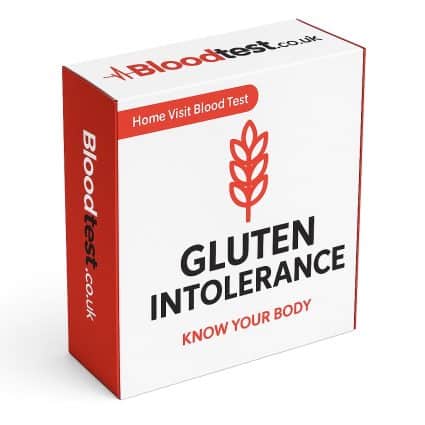

Patients must prepare diligently for their tests by consuming a gluten-rich diet for a minimum of four weeks prior to testing. Here are several crucial preparation tips to consider:
- Do not adjust your diet before testing; continue consuming gluten to ensure accurate results.
- Maintain a food diary that meticulously documents both symptoms and dietary intake, providing valuable insights to healthcare professionals.
- Discuss all current medications with your healthcare provider to prevent any potential interactions.
- Be knowledgeable about your family history of coeliac disease or related conditions before your appointment.
- Be ready to discuss your symptoms and their duration with the healthcare team.
In Lincoln, the entire testing process follows NHS protocols, guaranteeing that patients receive comprehensive support and a timely, accurate diagnosis.
What Symptoms Should You Be Mindful Of When Considering Testing?
Common signs of coeliac disease include chronic symptoms such as diarrhoea, abdominal discomfort, bloating, and ongoing fatigue. Healthcare professionals in Lincoln emphasise the importance of early detection by increasing awareness of these symptoms. Recognising these indicators significantly enhances the chance of timely testing and appropriate medical intervention, ultimately improving overall health outcomes and the quality of life.
What Testing Options Are Accessible in Lincoln for Coeliac Disease?
Lincoln presents a variety of coeliac testing options primarily through NHS facilities. The standard approach begins with blood tests, which are essential for preliminary diagnosis. If necessary, patients may be referred for more sophisticated procedures, such as endoscopic tests, to gather additional diagnostic information. Local clinics are committed to ensuring that patients have quick access to essential diagnostic services, promoting timely identification and effective management of the condition.
How Is the Coeliac Testing Process Structured for Patients?
What Are the Key Steps in the Coeliac Testing Procedure?
The coeliac testing process is carefully organised into several key steps designed to ensure accuracy and reliability. Initially, a blood test is performed to detect specific antibodies, particularly the tissue transglutaminase antibody (tTG-IgA). If these initial results yield a positive outcome, a duodenal biopsy is typically suggested to confirm the diagnosis. These procedures strictly adhere to established practices in the UK, ensuring that results are robust and trustworthy.
Why Is Precision Critical in Diagnosing Coeliac Disease?
Achieving an accurate diagnosis of coeliac disease is vital for effective management of the condition. In Lincoln, healthcare professionals highlight the importance of precise antibody testing paired with histological analysis from biopsies. Inaccurate test results can lead to prolonged symptoms and potential complications, adversely impacting overall health. Timely and accurate testing enables appropriate dietary adjustments, significantly improving patient outcomes and quality of life.
What Challenges Might Patients Face During the Testing Process?
Various challenges can emerge during the coeliac testing process. A significant issue is that patients often encounter dietary restrictions that may jeopardise test accuracy; for instance, adhering to a gluten-free diet prior to testing can lead to false-negative results. Furthermore, patients may experience delays in accessing testing due to long waiting times or limited availability at local facilities. These factors underscore the crucial importance of closely following healthcare guidance throughout the testing journey.
Expert Insights on Coeliac Testing in Lincoln
What Are the Latest Innovations in Coeliac Testing Techniques?
Recent advancements in coeliac testing methodologies have notably improved diagnostic capabilities. In Lincoln, local specialists are increasingly implementing innovative techniques such as genetic testing to assess predisposition to coeliac disease. By integrating these modern approaches with traditional practices, healthcare providers facilitate earlier detection and create personalised management plans, reflecting the evolving medical landscape and enhancing patient care.
How Can Patients Effectively Understand Their Coeliac Test Results?
Comprehending test results is essential for individuals diagnosed with coeliac disease. In Lincoln, healthcare providers advise patients to engage in thorough discussions regarding their results during follow-up appointments. Patients need to be aware of their antibody levels and the implications of biopsy findings. Clear and effective communication ensures that patients can navigate their dietary restrictions successfully and develop appropriate health management strategies.
What Role Do Specialists Play in the Coeliac Testing Procedure?
In Lincoln, specialists such as gastroenterologists and dietitians play a vital role in overseeing coeliac testing and diagnosis. They collaborate to perform thorough assessments and provide personalised advice tailored to each patient’s needs. Numerous cases highlight how consultations with these specialists often lead to customised care plans that encompass dietary, lifestyle, and medical interventions, ensuring comprehensive support for patients throughout their healthcare journey.
How Can Patients Access Coeliac Testing in Lincoln?
Accessing coeliac testing in Lincoln is primarily facilitated through the NHS, although barriers such as referral delays or limited clinic availability may exist. Experts advocate for increased awareness of the referral process to ensure patients can swiftly access the necessary tests. Promoting timely intervention significantly enhances the potential for improved patient outcomes, aligning with healthcare objectives.
What Dietary Management Strategies Should Coeliac Patients Adopt?
Implementing a strict gluten-free diet is essential for managing coeliac disease effectively. Local specialists in Lincoln offer guidance on various aspects of dietary management, including meal planning, interpreting food labels, and avoiding cross-contamination. Resources such as gluten-free recipe websites and local support groups can be invaluable for patients as they transition to their new dietary requirements, fostering a supportive community throughout the process.
What Are the Significant Benefits of Undergoing Coeliac Testing?
How Does Early Detection of Coeliac Disease Enhance Patient Outcomes?
Timely coeliac testing offers numerous advantages, especially within Lincoln’s healthcare framework. Early detection empowers individuals to make immediate dietary modifications, alleviating symptoms and reducing the risk of potential complications. This proactive strategy not only improves overall quality of life but also significantly lowers healthcare costs associated with long-term untreated coeliac disease, making it a crucial step for affected individuals.
What Long-Term Health Improvements Can Be Anticipated Following Testing?
The long-term health benefits associated with coeliac testing are substantial. Patients diagnosed through local NHS services in Lincoln can expect enhanced nutrient absorption, diminished gastrointestinal symptoms, and a reduced risk of related health complications, such as osteoporosis or specific cancers, by adhering to effective dietary management plans aligned with UK guidelines.
What Is the Cost-Effectiveness of Available Coeliac Testing Options?
When evaluating financial implications, coeliac testing in Lincoln, provided through NHS services, is generally cost-effective. The long-term savings associated with early diagnosis frequently outweigh the costs of initial testing, thus decreasing the necessity for ongoing medical treatment and improving overall health. This makes it a smart investment in patient care, contributing to better health outcomes and reduced healthcare utilisation in the future.
What Psychological and Emotional Benefits Are Associated with Coeliac Testing?
The psychological advantages of coeliac testing are significant and merit attention. Early diagnosis through NHS services in Lincoln alleviates the anxiety linked to unexplained symptoms and the uncertainty surrounding them. Patients often report an improved quality of life, fostering a sense of control over their health, which in turn enhances emotional well-being and strengthens community ties.
Research-Backed Advantages of Coeliac Testing in Lincoln
What Evidence Do Recent Studies Present Regarding Coeliac Testing?
Recent studies highlight the effectiveness of coeliac testing protocols in the UK, demonstrating considerable benefits for patients in Lincoln. The findings indicate that comprehensive testing leads to improved health outcomes, including a better quality of life and decreased long-term complications. This reinforces the urgent need for accessible testing options within the community.
How Does Coeliac Testing Affect Patients’ Quality of Life?
Coeliac testing profoundly impacts the daily lives of individuals in Lincoln. Case studies reveal that patients experience significant improvements in their physical health, social interactions, and emotional well-being after receiving a diagnosis and adhering to a gluten-free diet. This transformation underscores the critical importance of timely testing and accurate diagnosis for effective management of this condition.
What Preventive Measures Should Be Taken Following Coeliac Testing?
After testing, patients are encouraged to adopt preventive measures, including regular follow-ups, nutritional assessments, and support from dietitians. These strategies, endorsed by UK health protocols, are vital in ensuring that individuals maintain optimal health and quickly address any complications that may arise, highlighting the importance of ongoing care for effective coeliac disease management.
How Is Coeliac Testing Cost-Effective for Patients?
An assessment of the financial benefits of coeliac testing reveals that early diagnosis can lead to significant long-term savings for patients in Lincoln. NHS data illustrate how timely intervention reduces healthcare costs associated with chronic complications, ensuring that patients receive essential care without incurring excessive financial burdens. This cost-effectiveness is a crucial consideration for both patients and healthcare providers.
How Does Coeliac Testing Integrate with Local Healthcare Services?
The integration of coeliac testing into Lincoln’s healthcare framework promotes collaboration between general practitioners and specialists. This synergy guarantees that patients benefit from comprehensive care pathways, timely interventions, and adherence to national guidelines, ultimately enhancing patient outcomes in the community and ensuring a cohesive approach to managing coeliac disease.
Where Can You Obtain a Coeliac Test in Lincoln?
What Facilities Are Available for Coeliac Testing in Your Area?
Lincoln is home to several facilities for conducting coeliac testing, predominantly through NHS clinics. These include reputable hospitals and specialised centres equipped to perform the necessary diagnostic procedures. Patients can expect a comprehensive range of services tailored to their specific needs, ensuring accurate results and substantial support throughout the testing process.
How Can You Efficiently Schedule an Appointment for Coeliac Testing?
Booking a coeliac test in Lincoln is straightforward and can be achieved through standard NHS booking systems. Patients should reach out to their GP for a referral or utilise online platforms to arrange appointments directly at local clinics. This streamlined process is designed to facilitate timely access to the essential diagnostic services required for accurate diagnosis and management.
What Follow-Up Services Are Available After Coeliac Testing?
Post-test support in Lincoln is critical to the effective management of coeliac disease. Patients typically receive follow-up appointments to discuss their results, receive dietary guidance, and explore ongoing care options. This support aligns with UK health networks, ensuring individuals have the resources they need to maintain their health and improve their quality of life over time.
How to Effectively Manage Coeliac Disease After Testing?
Is a Significant Dietary Change Required Following Coeliac Testing?
Yes, substantial dietary changes are imperative after a coeliac test in the UK. Patients must implement a strict gluten-free diet to manage their condition effectively. In Lincoln, local resources provide invaluable guidance on available gluten-free options in supermarkets and restaurants, aiding patients in confidently navigating their new dietary landscape.
What Resources Are Available to Support Coeliac Patients?
Numerous support resources exist locally to assist in managing coeliac disease. Patients can seek information from organisations such as Coeliac UK, which provide essential guidance on living a gluten-free lifestyle. Additionally, local support groups in Lincoln create a platform for individuals to share experiences and access community support as they navigate the challenges associated with dietary changes.
What Long-Term Monitoring Strategies Should Coeliac Patients Implement?
Ongoing care for coeliac patients in Lincoln involves regular monitoring of health status, nutritional assessments, and consultations with dietitians. UK health protocols advocate these strategies to ensure long-term adherence to a gluten-free diet and effectively manage potential complications, thereby promoting sustained health and well-being.
Frequently Asked Questions (FAQs) About Coeliac Disease Testing
What Is Coeliac Disease and Its Implications?
Coeliac disease is an autoimmune disorder characterised by damage to the small intestine triggered by the ingestion of gluten. Individuals affected by this condition must adhere to a strict gluten-free diet to prevent severe health complications, thereby ensuring their long-term well-being.
How Can I Get Tested for Coeliac Disease in Lincoln?
To undergo testing for coeliac disease in Lincoln, you should initially consult your GP for a referral. They will guide you through the necessary blood tests and, if necessary, additional assessments such as biopsies to confirm the diagnosis.
What Symptoms Are Commonly Associated with Coeliac Disease?
Common symptoms of coeliac disease include bloating, diarrhoea, fatigue, and weight loss. However, it is crucial to understand that symptoms can vary widely among individuals. Therefore, consulting a healthcare professional is essential if you suspect that you may have coeliac disease.
Is Coeliac Testing Accessible Through the NHS?
Yes, coeliac testing is available through the NHS in Lincoln. Patients can benefit from blood tests and specialist referrals at local clinics, all conducted in accordance with NHS guidelines for accurate diagnosis and management.
Can I Be Tested If I Am Not Consuming Gluten?
No, it is crucial to consume gluten prior to testing for coeliac disease. Following a gluten-free diet before testing can lead to false-negative results, complicating accurate diagnosis and management of the condition.
What Dietary Changes Should I Implement If Diagnosed with Coeliac Disease?
Upon diagnosis, individuals must strictly eliminate gluten from their diets. This involves avoiding all foods containing wheat, barley, or rye. Consulting a dietitian can significantly assist in managing this transition effectively, ensuring a smooth adjustment.
Are There Local Support Groups for Coeliac Patients in Lincoln?
Yes, Lincoln offers several support groups for coeliac patients, providing a space for individuals to share experiences, access valuable resources, and receive guidance on living gluten-free. These groups foster a sense of community and support.
How Often Should I Follow Up with My Healthcare Provider After Diagnosis?
It is advisable to follow up with your healthcare provider at least annually or more frequently if you experience any symptoms after diagnosis. Regular check-ups are essential for monitoring your health and ensuring adherence to dietary recommendations.
What Are the Long-Term Health Risks of Untreated Coeliac Disease?
Untreated coeliac disease can result in severe health complications, including malnutrition, osteoporosis, and an increased risk of certain cancers. Early diagnosis and strict adherence to a gluten-free diet are crucial in mitigating these risks and promoting long-term health.
Can Children Also Be Tested for Coeliac Disease?
Yes, children can be tested for coeliac disease. If there is a family history or symptoms present, it is vital to consult a healthcare provider for appropriate testing and management strategies tailored to young patients.
Connect with us on Facebook for more information!

This Article Was First Found On https://bloodtest.co.uk
The Article Coeliac Test in Lincoln: Your Essential Guide found first on https://electroquench.com