Unlock the Benefits of Food Scrap Upcycling for Eco-Conscious Cooking
What Is Upcycling and Its Importance in Cooking?
Upcycling is a creative and innovative approach that transforms discarded materials into valuable new products. This sustainable practice not only reduces our environmental impact but also inspires creativity and innovation in the culinary realm. By reassessing our waste habits, we can play a crucial role in fostering a more sustainable future. For example, turning vegetable peels into a nourishing stock illustrates how upcycling can seamlessly fit into daily cooking, demonstrating that waste can indeed be a valuable resource.
Dive into the Numerous Advantages of Upcycling Food Scraps
The benefits of upcycling food scraps are both numerous and diverse. To begin with, it results in substantial savings on grocery bills, as you are making use of ingredients that might otherwise be discarded instead of buying new ones. Additionally, upcycling plays a pivotal role in minimising food waste, a critical aspect of adopting a more sustainable lifestyle. This practice nurtures creativity and resourcefulness in the kitchen, encouraging home cooks to innovate rather than strictly adhere to conventional recipes. Furthermore, upcycling frequently leads to healthier meals by integrating a wider variety of nutrient-dense ingredients. Every scrap has the potential to contribute to a delicious and nourishing dish, highlighting the notion that nothing should be overlooked in the culinary context.
What Initial Steps Can You Take to Begin Your Upcycling Journey?
To kickstart your upcycling adventure, the first step is to identify the types of food scraps you typically generate in your kitchen. Common examples include vegetable peels, fruit cores, and stale bread. Once you have collected your scraps, it is essential to store them properly in airtight containers or resealable bags in the refrigerator or freezer to preserve their freshness. Next, explore a variety of recipes specifically designed to make the most of these scraps. Start with simple yet rewarding dishes, such as vegetable broth or fruit-infused water, which can serve as a base for more intricate culinary creations. With a touch of planning and creativity, upcycling can easily integrate into your cooking routine.
Expert Insights on the Most Effective Upcycled Food Recipes Using Scraps
What Are Some Inspiring Real-World Examples of Successful Upcycling?
Across the globe, numerous individuals and communities have embraced the concept of upcycling food scraps, resulting in impressive reductions in waste and innovative culinary achievements. For instance, a community initiative in Melbourne, Australia, has organised workshops that demonstrate how to convert everyday food waste, such as carrot tops and celery leaves, into vibrant pestos and dressings. In another noteworthy example, urban gardeners in Berlin effectively utilise vegetable scraps to create nutrient-rich compost, enhancing their community gardens while substantially lowering their contributions to landfills.
The benefits of upcycling food scraps are substantial and encompass:
- Cost-effective reductions in grocery expenses.
- A significant decrease in food waste sent to landfills.
- Encouragement of culinary creativity and experimentation.
- Enhanced nutritional diversity in meals.
- Fostering a sense of community through shared resources.
- Increased environmental awareness and responsibility.
- Promotion of sustainable and eco-friendly practices.
These instances highlight the transformative potential of upcycling in enhancing our kitchens and communities.
What Are Some of the Most Beloved Upcycled Recipes Everyone Should Try?
Some of the most popular upcycled recipes ingeniously transform everyday scraps into delightful culinary creations. For example, producing vegetable broth from peelings and trimmings provides a robust base for various soups and stews. Another favourite is fruit vinegar, which captures the essence of leftover fruits while adding a tangy twist to dressings and marinades. Additionally, breadcrumbs made from stale bread can serve as a crunchy topping or coating, enhancing the flavours of countless dishes.
These recipes are not only straightforward to prepare but also effective in minimising waste, making them particularly appealing to home cooks. They exemplify the spirit of upcycling, illustrating how even the most unassuming ingredients can shine with a touch of creativity. Whether repurposing scraps into snacks or reimagining leftovers as gourmet dishes, these recipes lay the groundwork for a more sustainable culinary future.
What Practical Strategies Can You Employ to Incorporate Upcycling into Your Cooking Routine?
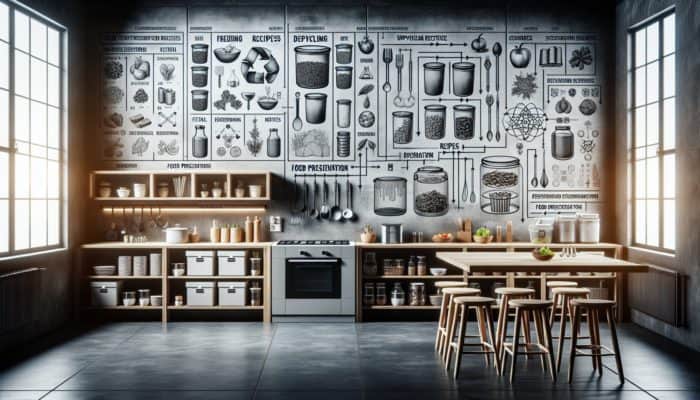
For those keen to embark on their upcycling journey, several practical steps can seamlessly integrate into your daily routine. Begin by designating a specific storage space for food scraps in your kitchen; even a small container or dedicated bag can yield substantial benefits. Additionally, maintain a list of upcycling recipes accessible to ignite creativity and innovation in your cooking. Employing practical storage methods like freezing, dehydrating, or fermenting scraps can significantly extend their shelf life and versatility in your pantry.
Embracing experimentation is essential in the realm of upcycling. Do not hesitate to combine various scraps and explore new cooking techniques. For instance, vegetable scraps can be easily added to smoothies, while fruit peels can be turned into zesty teas. The more you experiment, the more unique ways you will discover to reduce waste while enhancing your meals. Embrace this journey, and soon, upcycling will transform into a natural and rewarding aspect of your cooking practices.
How Can Upcycling Food Scraps Enhance Your Health and Benefit the Environment?
Upcycling food scraps presents numerous health benefits, primarily due to the nutritional content preserved in many discarded food parts. For instance, incorporating vegetable scraps in broths can provide essential vitamins and minerals that would otherwise be lost. By integrating these nutrient-rich ingredients into your meals, you improve your health while decreasing reliance on processed foods.
Moreover, the environmental advantages of upcycling are substantial. By diverting food waste from landfills, upcycling effectively reduces greenhouse gas emissions, a significant contributor to climate change. This not only aids in creating a cleaner environment but also promotes a healthier lifestyle. The practice of upcycling cultivates mindfulness among consumers, prompting them to consider the lifecycle of their food and the implications of waste. This awareness can lead to broader changes in purchasing habits and food consumption patterns, ultimately benefiting both personal health and the planet.
What Are the Most Effective Ways to Utilise Vegetable Scraps in Your Cooking?
Which Vegetables Are Most Suitable for Upcycling?
Certain vegetables are particularly well-suited for upcycling due to their versatility and flavour profiles. For example, carrots can be enjoyed not just for their flesh but also for their tops, which can be transformed into pesto or used in salads. Onions provide both bulbs and skins that add depth and colour to stocks and broths. Celery is another excellent choice, with its often-overlooked leaves perfect for enhancing the flavour of various dishes.
Other vegetables ideal for upcycling include:
- Potato peels for making crispy snacks.
- Beet tops for delicious salads or sautéed dishes.
- Radish greens for pestos or soups.
- Squash seeds for roasting.
- Broccoli stems for stir-fries.
- Garlic skins for infusing oils or broths.
- Herb stems for flavourful stocks or garnishes.
Utilising these vegetables not only reduces waste but also enhances the overall flavour and nutrition of your meals, showcasing the potential of what many regard as mere ‘scraps.'
What Is the Process for Making Vegetable Broth from Scraps?
Creating a rich and flavourful vegetable broth from scraps is both straightforward and rewarding. Begin by gathering your vegetable scraps, which may include onion skins, carrot tops, celery leaves, and garlic remnants. Rinse them thoroughly to remove any dirt or debris. Place the collected scraps in a large pot and cover them with water. To enhance flavour, consider adding herbs and spices like bay leaves, thyme, or peppercorns.
Bring the mixture to a boil, then reduce the heat and let it simmer for at least an hour, allowing the flavours to meld beautifully. Once finished, strain the broth through a fine mesh sieve, discarding the solids, and store the liquid in jars. This versatile broth can serve as a base for soups, risottos, and sauces, enriching your dishes while utilising what would have otherwise been waste. This process not only highlights the flavours of your ingredients but also embodies the core philosophy of upcycling.
What Are Some Creative Ways to Use Vegetable Scraps in Your Cooking?
The culinary possibilities for vegetable scraps are vast, allowing for the creation of innovative and healthy dishes. One fun idea is to make crispy vegetable chips from potato or beet scraps. Simply season the peels with olive oil and your choice of spices, then bake in the oven until crispy. Another creative application is fermenting vegetable scraps to create kimchi or sauerkraut—a method that not only maximises flavour but also promotes gut health.
Blending vegetable scraps into smoothies presents another enjoyable option, as they can add nutrition without overpowering the flavour. For example, spinach stems or carrot greens can easily be integrated into your favourite smoothie recipe. The possibilities are endless when you start thinking outside the box. By experimenting with various techniques and recipes, upcycling can evolve into a delightful culinary exploration rather than a mundane chore.
What Are the Best Practices for Storing Vegetable Scraps for Later Use?
Proper storage is crucial for ensuring your vegetable scraps remain fresh and ready for upcycling. Several effective methods include freezing, which allows you to preserve scraps for months without losing flavour or nutrition. Simply chop your scraps into smaller pieces, place them in airtight freezer bags, and label them for easy identification later.
Another excellent method is dehydrating scraps, which can significantly extend their shelf life and enhance their flavours. Using a dehydrator or an oven set to a low temperature enables you to dry out scraps for use in soups or as flavour enhancers. Additionally, storing scraps in the fridge in a dedicated container can provide a convenient option for immediate use. Here are some essential storage tips:
- Label your containers for easy identification.
- Use airtight containers to prevent spoilage.
- Utilise freezer bags for long-term storage.
- Separate scraps by type to enhance versatility.
- Monitor freshness regularly and rotate your stock.
By implementing these strategies, you can maximise the benefits of your upcycled vegetable scraps without compromising quality or flavour.
What Is the Process for Composting Vegetable Scraps for Garden Enrichment?
Composting vegetable scraps is an excellent method to enrich your garden while simultaneously minimising kitchen waste. By converting scraps into nutrient-rich compost, you enhance soil health, promote plant growth, and create a sustainable gardening ecosystem. Start by collecting vegetable scraps such as peelings, cores, and wilting greens in a compost bin or pile. It is crucial to balance green materials (like vegetable scraps) with brown materials (such as dried leaves or cardboard) to establish optimal composting conditions.
Monitor moisture levels and turn the compost regularly to facilitate the decomposition process. In a few months, you will have dark, crumbly compost that can be incorporated into your garden beds or containers. This method not only minimises landfill waste but also supports a closed-loop system, where kitchen waste nourishes your plants, creating a sustainable cycle. Embracing this practice fosters a deeper connection with your food, from the kitchen to the garden.
What Health Benefits Are Associated with Upcycling Food Scraps?
How to Understand the Nutritional Value of Upcycled Foods?
Upcycled foods can retain significant nutritional value, especially when prepared with care. For instance, vegetable scraps often contain vitamins and minerals that can be extracted through cooking. Using vegetable peels in broths can deliver essential nutrients, including potassium and fibre, which are frequently overlooked in traditional cooking practices. By focusing on utilising these scraps, individuals can enhance their meals while simultaneously preventing waste.
Moreover, upcycling encourages a diverse intake of nutrients. By incorporating various parts of food that are typically discarded, such as citrus peels or leafy vegetable tops, you can broaden your diet and improve your overall health. This approach not only maximises resource use but also inspires individuals to experiment with a wide range of flavours and textures in their culinary creations. By doing so, upcycled foods contribute positively to overall well-being while promoting sustainable practices.
How Does Upcycling Foster a Healthier Diet?
Upcycling promotes a richer and more nutritious diet by encouraging individuals to use parts of food that are often ignored. This practice leads to an increased consumption of essential nutrients, as many scraps possess significant health benefits. For example, beet tops are rich in vitamins A and K, while carrot tops are loaded with antioxidants. By making use of these frequently overlooked components, individuals can enhance their nutrient intake and enjoy a more balanced diet.
Additionally, upcycling reduces reliance on processed foods. By maximising fresh ingredients, you are more likely to prepare meals from scratch, which inherently promotes healthier eating habits. This shift in mindset not only enhances personal health but also fosters a deeper appreciation for food and the resources needed to produce it. It cultivates mindfulness in both cooking and eating, encouraging individuals to be intentional about their food choices and their environmental impact.
What Is the Environmental Impact of Upcycling on Health?
The environmental ramifications of upcycling food scraps are multifaceted, particularly concerning public health. By reducing food waste through upcycling, we minimise contributions to landfills, which leads to decreased greenhouse gas emissions. These emissions pose significant health risks, as they contribute to air pollution and climate change, both of which have far-reaching effects on human health.
By adopting upcycling practices, individuals contribute to a cleaner environment, which can result in improved public health outcomes. A healthier environment promotes better air and water quality, subsequently reducing the prevalence of diet-related health issues and environmental diseases. By actively engaging in upcycling, you not only enhance your health but also play a vital role in the larger movement towards sustainability and responsible consumption.
Top Strategies for Creating Delicious Upcycled Food Recipes from Scraps
What Expert Techniques Can Enhance Your Upcycling Skills?
When it comes to upcycling food scraps, understanding effective techniques is essential for maximising both flavour and nutrition. One of the best practices involves selecting high-quality scraps; fresher vegetables and fruits yield superior results in your upcycling efforts. For example, using firm carrots and vibrant greens will significantly enhance the taste of your broth or sauce.
Another crucial technique involves proper preparation. Thoroughly rinsing scraps before use can eliminate any lingering pesticides and dirt, ensuring they are safe for consumption. Additionally, experimenting with various cooking methods—such as roasting, simmering, or fermenting—can yield diverse flavours and textures, providing a more exciting culinary experience. Consider combining different scraps to create unique flavour profiles, and don’t hesitate to modify traditional recipes to incorporate upcycled ingredients. These expert strategies help ensure that upcycling remains an enjoyable and rewarding process.
What Are Effective Storage Methods for Food Scraps Intended for Upcycling?
Effective storage methods are crucial for successful upcycling, as the quality of your scraps directly influences the quality of your final dishes. Start by ensuring that your storage containers are suitable; glass jars, silicone bags, and airtight containers are excellent choices for preserving freshness. It is essential to label containers with dates and contents to avoid confusion later on.
Freezing is an excellent long-term storage method for scraps such as vegetable peelings or herb stems. This method allows you to accumulate scraps over time without the worry of spoilage. For shorter-term use, store scraps in the refrigerator and aim to use them within a week to maintain their optimal taste and nutritional value. Here are some practical storage tips to consider:
- Store scraps in the fridge for immediate use and in the freezer for long-term storage.
- Use airtight containers to keep moisture and odours at bay.
- Rotate older scraps to the front of the container for easy access.
- Keep a variety of scraps on hand to inspire creativity.
- Utilise glass jars for visibility and longevity.
Implementing these strategies ensures your culinary adventures in upcycling are both successful and sustainable.
What Strategies Can Help Scale Upcycling for Larger Households?
Upcycling can be particularly advantageous in larger households where food waste tends to accumulate quickly. To manage this efficiently, consider preparing bulk recipes that utilise a variety of scraps. For instance, making a large pot of vegetable broth allows you to use numerous scraps simultaneously, providing a base for various meals throughout the week.
Engaging all family members in the upcycling process can also promote teamwork and creativity. Assigning roles—such as scrap collection, preparation, or cooking—can make the process more enjoyable for everyone involved. Establishing a family meal plan that incorporates upcycled ingredients can streamline grocery shopping and meal prep, ensuring that nothing goes to waste. Here are some additional strategies for scaling upcycling in larger households:
- Plan meals around the scraps you have available.
- Encourage family members to suggest ideas for upcycled dishes.
- Set aside dedicated time for upcycling meal prep as a family activity.
- Maintain a communal recipe book for your favourite upcycled recipes.
These strategies create an environment of creativity and sustainability while teaching valuable lessons about resourcefulness and environmental stewardship.
What Are Some Creative Upcycled Food Scrap Recipes You Can Try?
Innovative recipes can transform food scraps into delicious meals and snacks, showcasing the versatility of what is often discarded. One delightful option is carrot top pesto, where the frequently overlooked greens are blended with nuts, parmesan, and olive oil to create a vibrant sauce, perfect for pasta or sandwiches. Another creative dish is potato peel chips; seasoned and baked until crispy, these provide a guilt-free snack that utilises every part of the vegetable.
You can also repurpose stale bread into a delectable bread pudding or croutons for salads. Additionally, try making fruit scrap vinegar by fermenting apple cores and peels with sugar and water—an excellent addition to dressings and marinades. Here’s one creative recipe to consider:
Carrot Top Pesto
– Ingredients: 1 cup carrot tops, 1/2 cup nuts (pine nuts or walnuts), 1/2 cup parmesan cheese, 1/2 cup olive oil, salt and pepper to taste.
– Instructions:
1. Combine carrot tops, nuts, and parmesan in a food processor.
2. Blend until finely chopped, then gradually add olive oil until the desired consistency is achieved.
3. Season with salt and pepper to taste and serve over pasta or as a dip.
These recipes illustrate how culinary creativity can lead to sustainable eating without sacrificing taste or nutrition. By embracing the potential of food scraps, you can broaden your culinary repertoire and make a positive impact on the environment.
How Community Initiatives Can Promote Upcycling and Reduce Waste
Community initiatives play a vital role in promoting the upcycling of food scraps and fostering a culture of sustainability. Many cities worldwide have begun implementing programmes that encourage residents to engage in communal composting and food swap events. These initiatives not only provide valuable resources but also build community connections through shared goals.
Cooking workshops focusing on upcycling are also gaining traction, allowing participants to learn practical skills while discovering new recipes using scraps. For instance, a community kitchen in Toronto offers classes on creating meals from food waste, showcasing the delicious potential of what might otherwise be discarded. Local food swap events facilitate the exchange of surplus produce and scraps, further promoting resource sharing.
Participating in these community initiatives encourages collective efforts to reduce waste and embrace sustainability. Here are a few community-driven strategies to consider:
- Engage in local composting programmes or workshops.
- Host or attend food swap events to exchange surplus produce.
- Join community groups focused on sustainability and upcycling.
- Share recipes and tips with neighbours to inspire creativity.
Together, these initiatives inspire everyone to consider their role in reducing food waste and motivate collective action towards more sustainable practices.
What Innovative Approaches Can You Take with Fruit Scraps?
How to Make Fruit Vinegar from Scraps?
Transforming fruit scraps into delicious vinegar is an exciting method to upcycle leftovers while creating a versatile kitchen staple. Start by collecting apple cores, peels, or any leftover fruit scraps from cooking or snacking. Combine these scraps in a jar with water and sugar to initiate the fermentation process. Allow the mixture to sit in a warm, dark place, stirring occasionally.
Over several weeks, the mixture will ferment, developing a tangy flavour as the sugar converts into vinegar. After approximately 4 to 6 weeks, strain the mixture to remove the solids, and your homemade fruit vinegar is ready for use. This versatile ingredient can be incorporated into dressings, marinades, or even enjoyed as a refreshing tonic.
Fruit vinegar not only serves as an excellent way to utilise scraps but also adds a distinctive flavour to various dishes, demonstrating the culinary potential of what is often considered waste.
What Is the Process for Creating Fruit Scrap Jam and Preserves?
Utilising leftover fruit scraps to produce jam and preserves is a delightful and resourceful approach to preventing waste while crafting a delicious product. Begin by gathering fruit peels, cores, and any overripened fruit you have on hand. Combine the scraps in a pot with sugar, water, and any desired spices (such as cinnamon or vanilla), and cook down until thickened.
This sweet concoction can be jarred and preserved for later use. It’s a fantastic way to savour the vibrant flavours of fruit throughout the year, whether spread on toast, swirled into yoghurt, or incorporated into desserts. Not only does this practice reduce waste, but it also allows you to enjoy seasonal fruits in an entirely new form.
Which Fruits Are Ideal for Upcycling?
Certain fruits lend themselves exceptionally well to upcycling due to their versatility and flavour. Apples are a prime example; their flesh is delicious, and their cores and peels can be used in jams, vinegars, or even baked goods. Oranges also present opportunities for upcycling through their peels, which can be candied or used to infuse flavours in various dishes.
Berries are another excellent choice for upcycling, as overripe versions can be transformed into sauces, jams, or smoothies, while banana peels can be included in smoothies or cooked down into desserts, providing a surprising textural element. Here are some fruits particularly well-suited for upcycling:
- Apples: cores for jams and peels for vinegars.
- Bananas: peels for smoothies and leftover fruit for bread.
- Oranges: zest for flavouring and peels for candied treats.
- Berries: overripe fruit for sauces or preserves.
- Pineapple: cores for juices or smoothies.
- Peaches: pits for flavouring and skins for sauces.
Utilising these fruits in creative ways not only maximises their potential but also enhances your meals while supporting sustainable practices.
How to Make Fruit Scrap Infused Water and Tea?
Infusing water or tea with fruit scraps is a refreshing and sustainable way to hydrate while minimising waste. Simply gather leftover fruit scraps, such as citrus peels, apple cores, or berry stems, and add them to a pitcher of water or a teapot. Allow the mixture to steep for several hours or overnight in the fridge, allowing the flavours to meld beautifully.
This method not only adds flavour but also infuses your drink with beneficial nutrients. For example, citrus peels can impart vitamin C and antioxidants, while berry scraps can enhance flavour and provide extra health benefits. This simple yet effective practice transforms what would typically be considered waste into a delightful drink option.
By embracing the concept of upcycling food scraps, you not only contribute to a more sustainable world but also boost your culinary creativity. The possibilities are endless, and each scrap holds potential for delicious new dishes. Engaging with these practices fosters a deeper respect for food, encouraging mindfulness in cooking and eating.
Frequently Asked Questions About Upcycling Food Scraps
What does upcycling mean in food preparation?
Upcycling in food preparation refers to the process of transforming food scraps and waste materials into new and useful products or dishes, promoting sustainability and reducing waste in the kitchen.
What are the first steps to start upcycling food scraps?
Begin by identifying common scraps in your kitchen, such as vegetable peels or fruit cores. Store them properly and research recipes that creatively utilise these ingredients.
Can you provide examples of upcycled food recipes?
Popular upcycled food recipes include vegetable broth made from scraps, fruit vinegar, bread made from stale bread, and carrot top pesto.
Are upcycled foods considered nutritious?
Yes, many upcycled foods maintain substantial nutritional value. Vegetable scraps often contain essential vitamins and minerals that can enhance the nutritional quality of meals.
What are the best practices for storing food scraps effectively?
Food scraps should be stored in airtight containers in the fridge for immediate use or frozen for longer-term storage to maintain freshness and nutritional value.
Is it possible to compost vegetable scraps?
Absolutely! Composting vegetable scraps is a fantastic way to enrich your garden while reducing food waste, transforming scraps into nutrient-rich compost for your plants.
Which fruits are ideal for upcycling?
Fruits such as apples, oranges, berries, and bananas are excellent for upcycling due to their versatility; scraps can be utilised in jams, vinegars, or infused drinks.
What are the benefits associated with upcycling food scraps?
Benefits of upcycling food scraps include reducing food waste, saving money, enhancing culinary creativity, and promoting a more sustainable lifestyle.
Can upcycling improve my cooking skills?
Yes, upcycling encourages experimentation and creativity in the kitchen, helping you to develop new cooking techniques and discover unique flavour combinations.
How does upcycling contribute to sustainability?
Upcycling reduces the amount of food waste sent to landfills, decreases greenhouse gas emissions, and promotes responsible consumption, supporting environmental sustainability.
Connect with us on Facebook!
The post Top Upcycled Food Recipes For Scraps: Transform Waste Into Meals appeared first on https://cookinggods.com
The Article Upcycled Food Recipes: Transform Scraps Into Delicious Meals Was Found On https://limitsofstrategy.com