Discover Why Regular Cholesterol Testing is Crucial for Your Heart Health
Recognising the Immediate Need for Consistent Cholesterol Assessments
Private Cholesterol Blood Test in St Albans: Consistent cholesterol testing plays an indispensable role in preventive healthcare, particularly in combating cardiovascular disease. Elevated cholesterol levels directly correlate to severe health dangers, including heart attacks and strokes. Given that heart disease ranks as a leading cause of mortality in the UK, making regular cholesterol evaluations a priority is a proactive strategy to protect your heart health. Early detection can significantly alter outcomes and empower individuals to take charge of their cardiovascular wellness.
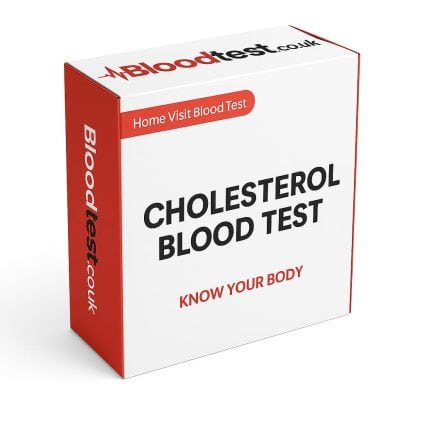

Identifying high cholesterol levels early enables the implementation of timely intervention strategies, such as necessary lifestyle changes and medical treatments that can drastically reduce risk factors. Furthermore, having a clear understanding of your cholesterol levels allows you to make informed choices regarding your diet and physical activity—both crucial elements in maintaining a healthy heart. The impact of these choices can be profound, leading to improved health outcomes.
Knowing when to get tested is equally essential. Medical guidelines generally suggest that individuals aged 40 and above have their cholesterol levels checked every five years. However, those with a family history of heart disease, diabetes, or other significant health conditions may need more frequent evaluations. Local healthcare providers in St Albans offer easy access to cholesterol testing, enabling residents to monitor their heart health with minimal stress.
How to Effectively Understand Your Cholesterol Test Results
Deciphering cholesterol test results can pose challenges, yet it is vital for making informed health decisions. Cholesterol levels are typically broken down into several key metrics: total cholesterol, LDL (low-density lipoprotein), HDL (high-density lipoprotein), and triglycerides. Each of these metrics provides unique insights into your cardiovascular health, which can be crucial in guiding your health decisions.
A total cholesterol level below 5.0 mmol/L is generally considered healthy, while LDL, often referred to as “bad” cholesterol, should ideally be under 3.0 mmol/L; elevated levels increase your risk of cardiovascular issues. Conversely, HDL is known as the “good” cholesterol, with levels above 1.0 mmol/L for men and 1.2 mmol/L for women offering protective benefits against heart disease. Regular testing empowers individuals not only to comprehend these important figures but also to initiate actionable lifestyle changes based on their findings.
Moreover, discussing your results with a qualified healthcare professional can provide essential clarity and guidance. This dialogue can lead to personalised recommendations regarding dietary alterations, fitness regimes, and potential medical interventions tailored to your specific needs. In St Albans, various healthcare services are available to support residents in navigating this process and ensuring they fully understand their health status.
Explore the Benefits of Accessing Cholesterol Tests Locally
Residing in St Albans grants individuals a significant advantage with convenient access to healthcare facilities offering regular health assessments, including cholesterol blood tests. The convenience factor is crucial; the ability to schedule and attend appointments with ease greatly increases the likelihood of regular testing. Many local clinics and pharmacies provide these essential services, enabling individuals to prioritise their health without the burden of long journeys or extended waiting times.
Moreover, local testing fosters a sense of community and enhances awareness regarding heart health. Regular cholesterol tests can become a vital aspect of the local health culture, encouraging residents to engage in conversations about heart wellness, share their experiences, and support one another on their wellness journeys. Additionally, the ease of access to testing services can significantly alleviate the anxiety often associated with medical appointments, inspiring individuals to seek necessary evaluations.
In a time when health information can often feel overwhelming, local testing facilities in St Albans can serve as a reliable source of information and support. This accessibility not only enables consistent monitoring but also nurtures an environment where residents can actively pursue advice and education on effectively managing their cholesterol levels.
What is the Recommended Frequency for Cholesterol Testing?
Determining the appropriate frequency for cholesterol testing is key to optimising heart health. General guidelines recommend initiating testing at age 40, with follow-up assessments every five years if results are satisfactory. However, this timeframe may vary based on individual risk factors. For instance, individuals with a family history of heart disease or pre-existing health issues like diabetes may benefit from more regular evaluations, potentially on an annual basis.
In the UK, the National Health Service (NHS) strongly advocates for routine cholesterol monitoring, particularly for individuals at increased risk. Those with elevated cholesterol levels should consult healthcare professionals to establish a personalised monitoring strategy. In St Albans, local health services can offer tailored recommendations based on individual health profiles and familial histories, ensuring that testing remains proactive and effective.
Moreover, tracking your cholesterol levels over time can provide valuable insights into the success of lifestyle adjustments or treatments. Regular testing allows individuals to evaluate dietary changes, exercise habits, and any prescribed medications, offering a comprehensive overview of their heart health. By following these steps, residents can enhance and sustain their cardiovascular well-being.
Essential Preparation Steps for Your Cholesterol Test
Proper preparation is critical for obtaining accurate cholesterol test results. Fasting before the test is often necessary, as it ensures that results accurately reflect your cholesterol levels without interference from recent meals. Typically, a fasting period of 9-12 hours is recommended prior to the blood draw. For many individuals, scheduling a morning appointment can make the fasting period more manageable and effective.
In addition to fasting, individuals should be aware of their current medications and any underlying health conditions before undergoing a cholesterol test. Certain medications can influence cholesterol levels, potentially skewing the results and leading to inaccurate conclusions. Consulting a healthcare provider about your current medications prior to the test can help clarify whether any adjustments are necessary.
Understanding the logistics of the testing process can also help reduce anxiety. The cholesterol blood test involves a straightforward procedure, which typically consists of a simple blood draw. Many local clinics and pharmacies in St Albans provide this service, ensuring residents have a seamless and efficient experience. Knowing what to expect can make the process feel less daunting, empowering individuals to take charge of their cardiovascular health.
Where to Access Comprehensive Cholesterol Testing Services in St Albans
Identifying Reliable Local Clinics and Health Centres for Cholesterol Testing
St Albans boasts numerous health clinics and centres that provide trustworthy, convenient options for a cholesterol blood test. Many of these facilities are well-equipped with advanced technology and staffed by skilled healthcare professionals committed to delivering comprehensive care to each patient.
Local clinics frequently incorporate cholesterol testing into routine health assessments, allowing individuals to seamlessly integrate these tests into their annual check-ups. This proactive approach fosters a positive attitude towards health, enabling people to monitor their cholesterol levels alongside other critical health metrics, such as blood pressure and <a href="https://limitsofstrategy.com/understanding-the-link-between-stress-and-blood-glucose-levels/">glucose levels</a>.
Moreover, several clinics in St Albans offer extended hours to accommodate diverse schedules. This accessibility is particularly beneficial for busy professionals or families who may find it challenging to fit medical appointments into their daily routines. The combination of convenience, expert care, and community-focused services makes local clinics a preferred choice for residents seeking cholesterol testing.
Exploring Private Testing Services for Customised Care
If you are seeking a more personalised approach, private testing services in St Albans may offer an attractive alternative. These services often provide quicker results and a more tailored experience, allowing individuals to have their cholesterol levels assessed without the lengthy wait times typically associated with NHS services.
Private clinics frequently offer additional amenities, such as one-on-one consultations with healthcare professionals who can provide personalised advice based on your results. This level of service empowers individuals to take control of their health by delivering tailored recommendations and ongoing support.
Furthermore, private testing services often provide extended hours and the flexibility to schedule appointments that suit your personal lifestyle. Whether you require a cholesterol test for reassurance or monitoring for specific health conditions, private services in St Albans can offer a convenient and effective solution.
Utilising NHS Services for Affordable Cholesterol Testing Options
Utilising NHS services for cholesterol testing is not only cost-effective but also highly advantageous for residents in St Albans. The NHS integrates cholesterol testing into its commitment to preventative healthcare, ensuring that individuals can access essential health assessments at little to no cost.
In many cases, your general practitioner (GP) can organise a cholesterol blood test as part of a routine health check. NHS services prioritise early detection and effective management of health conditions, making cholesterol testing a vital component of their preventative strategies. This approach is particularly significant for individuals with risk factors such as a family history of heart disease or existing health conditions like high blood pressure or diabetes.
To take advantage of these services, residents can reach out to their GP surgery or visit a local health centre. NHS facilities in St Albans are equipped to deliver high-quality care, and healthcare professionals can offer valuable insights into cholesterol management. With the NHS’s commitment to community health, cholesterol testing is readily available and a crucial resource for maintaining heart health.
Convenient Cholesterol Testing Options at Local Pharmacies in St Albans
Pharmacies in St Albans are increasingly becoming an integral part of the healthcare landscape, offering cholesterol testing services that cater to the needs of the local community. Many pharmacies have taken on the role of health hubs, providing convenient options for individuals seeking quick and accessible cholesterol screenings.
Typically, these pharmacy services do not require an appointment, allowing individuals to walk in at their convenience. The testing process is straightforward and efficient, often taking just a few minutes to complete. This flexibility is particularly advantageous for those with busy schedules who may find it difficult to arrange formal appointments at clinics or GP surgeries.
Pharmacists can also provide guidance on interpreting results and recommend lifestyle changes or further testing, as necessary. By enhancing access to cholesterol testing, pharmacies support the ongoing health and well-being of individuals in St Albans, making it easier for residents to actively manage their cardiovascular health.
Innovative Mobile Testing Units Enhancing Community Health
Mobile health units have emerged as an innovative solution for delivering cholesterol testing services to communities, including St Albans. These units travel to various locations within the town, offering a convenient option for residents who may find it challenging to access traditional healthcare facilities.
The presence of mobile testing units encourages a proactive approach to health, prompting individuals to take advantage of convenient testing opportunities in familiar settings, such as community centres or local events. This strategy not only improves access but also raises awareness about the importance of regular cholesterol monitoring and cardiovascular health.
Typically, mobile testing services are conducted by qualified healthcare professionals who administer the tests and provide immediate feedback. These units often prioritise education, helping community members understand their cholesterol levels and their implications for overall health. By bridging the gap between healthcare and the community, mobile testing units represent a valuable asset for residents in St Albans.
How to Prepare Effectively for Your Cholesterol Test
Understanding Fasting Requirements for Accurate Cholesterol Test Results
Preparation for a cholesterol blood test is vital to achieve accurate results, and fasting is often a crucial aspect of this process. Healthcare professionals typically recommend fasting for 9-12 hours before the test, which means avoiding all food and drink except water. This guideline is essential, as even minor food intake can impact the measurement of triglycerides and other cholesterol components, potentially leading to misleading results.
Choosing the optimal time for testing can facilitate a smoother fasting experience. Many individuals prefer to schedule their cholesterol tests in the morning, allowing them to sleep through a significant portion of the fasting period. Additionally, it's wise to avoid strenuous exercise, alcohol, or fatty foods in the days leading up to the test, as these factors can influence cholesterol levels.
Being well-prepared can alleviate some anxiety associated with medical testing. Understanding the significance of fasting and planning accordingly can make the experience smoother and more manageable. Consulting with a healthcare provider in St Albans regarding the specifics of fasting and any additional preparation steps ensures that individuals approach their cholesterol tests with confidence.
What to Anticipate During Your Cholesterol Testing Procedure
The cholesterol blood test is a straightforward procedure that facilitates a quick and efficient evaluation of your heart health. Upon arriving at the testing facility, typically a clinic or pharmacy, a healthcare professional will guide you through the process. After confirming your identity and the purpose of the test, they will prepare to take a blood sample.
The blood draw itself is a relatively uncomplicated procedure. A small needle is inserted into a vein in your arm, and blood is collected into a vial. Most individuals experience minimal discomfort, often described as a brief, sharp pinch. The entire procedure usually takes just a few minutes, allowing you to resume your daily activities without significant interruption.
After the test, you may receive immediate feedback regarding your cholesterol levels, or you might be asked to return for results at a later date. Understanding what to expect during this process can help alleviate apprehension and encourage individuals to prioritise their heart health through regular testing.
Post-Test Care and Recommended Follow-Up Actions
After undergoing a cholesterol blood test, it’s crucial to adhere to any care instructions provided by the healthcare professional. Generally, there are few restrictions following the test, as the procedure is minor and typically does not necessitate extensive recovery. However, ensuring adequate hydration and considering having a light snack, especially after fasting for several hours, is advisable.
Monitoring your body’s response after the test can also be beneficial. Although rare, some individuals may experience minor side effects, such as bruising or soreness at the injection site. If any unusual symptoms arise or if discomfort persists, it’s wise to consult with a healthcare professional for guidance.
Understanding your results is the next critical step after the test. Many facilities in St Albans offer follow-up consultations to help you interpret your cholesterol levels and discuss any necessary lifestyle adjustments or treatments. This ongoing support is essential for ensuring that individuals are equipped to manage their cholesterol and overall heart health effectively.
Interpreting Your Cholesterol Levels: A Comprehensive Guide
Distinguishing Between Normal and Elevated Cholesterol Levels
Understanding the difference between normal and elevated cholesterol levels is essential for making informed health decisions. Cholesterol levels are typically measured in millimoles per litre (mmol/L) and are categorised into several components: total cholesterol, LDL (low-density lipoprotein), HDL (high-density lipoprotein), and triglycerides.
A total cholesterol level below 5.0 mmol/L is regarded as desirable, while levels above this threshold may indicate an increased risk of heart disease. LDL, often referred to as “bad” cholesterol, should ideally be below 3.0 mmol/L, as elevated levels can lead to plaque accumulation in the arteries. On the contrary, HDL is considered the “good” cholesterol, and levels exceeding 1.0 mmol/L in men and 1.2 mmol/L in women are associated with a lower risk of cardiovascular disease.
Recognising these distinctions empowers individuals to take proactive steps to improve their cholesterol levels. For instance, if your results indicate high LDL or total cholesterol levels, it may prompt a review of your diet and exercise routine, possibly leading to medication. Regular testing and understanding these metrics can facilitate timely interventions that positively impact your heart health.
Identifying Risk Factors and Their Implications for Health
Recognising the risk factors associated with high cholesterol is vital for implementing effective preventive measures. Various lifestyle and genetic factors can significantly influence cholesterol levels. For example, a diet high in saturated fats, trans fats, and dietary cholesterol can lead to elevated LDL levels, while a lack of physical activity can exacerbate the issue.
Other risk factors include obesity, smoking, and excessive alcohol consumption. Additionally, some individuals may be genetically predisposed to high cholesterol levels, regardless of their lifestyle choices. Understanding these risk factors can motivate individuals to adopt necessary lifestyle adjustments, such as embracing a healthier diet, increasing physical activity, and seeking regular medical advice.
Moreover, high cholesterol levels have significant health implications, as they elevate the risk of heart disease, stroke, and other cardiovascular conditions. A proactive approach to monitoring and managing cholesterol can substantially reduce these risks, empowering individuals to take charge of their cardiovascular health.
When Should You Consult with Healthcare Professionals for Cholesterol Management?
Knowing when to seek further advice from healthcare professionals is essential for effective cholesterol management. If your cholesterol test results fall outside the normal ranges, it’s advisable to consult with a healthcare provider in St Albans to discuss potential next steps. High cholesterol levels may necessitate a tailored action plan that includes lifestyle modifications, regular monitoring, and possibly medication.
Even for individuals with normal cholesterol levels, regular consultations can prove beneficial, particularly for those with a family history of heart disease or other risk factors. Healthcare providers can offer guidance on maintaining healthy cholesterol levels and suggest preventive measures tailored to individual circumstances.
In St Albans, numerous healthcare professionals are available to assist residents in managing their cholesterol. These consultations can provide invaluable insights into diet, exercise, and overall heart health, empowering individuals and informing their health choices.
Implementing Effective Lifestyle Changes to Manage Your Cholesterol Levels
Making Heart-Healthy Dietary Adjustments
Implementing dietary changes is one of the most effective strategies for managing cholesterol levels and enhancing heart health. A heart-healthy diet emphasises the consumption of fruits, vegetables, whole grains, and lean proteins while minimising saturated fats, trans fats, and cholesterol-rich foods.
Incorporating foods rich in omega-3 fatty acids, such as fatty fish, flaxseeds, and walnuts, can help lower cholesterol levels. These heart-healthy fats can elevate HDL (good) cholesterol while reducing triglycerides. Additionally, increasing soluble fibre intake by consuming oats, beans, lentils, and various fruits can help lower LDL (bad) cholesterol levels.
Furthermore, individuals should be mindful of their overall caloric intake, as maintaining a healthy weight is crucial for managing cholesterol levels. Practicing portion control and making conscious food choices can significantly improve overall health and well-being. In St Albans, local nutritionists and dietitians are available to provide customised dietary advice, helping individuals develop meal plans that align with their cholesterol management goals.
Incorporating Regular Exercise for Optimal Heart Health
Integrating regular exercise and physical activity into your daily routine can profoundly impact cholesterol levels and overall cardiovascular health. Engaging in aerobic exercise, such as brisk walking, cycling, or swimming, can help raise HDL (good) cholesterol while lowering LDL (bad) cholesterol and triglycerides.
Current guidelines recommend at least 150 minutes of moderate-intensity exercise each week, a target that can be easily achieved through daily activities. For example, opting to walk or cycle instead of driving for short distances can accumulate significant health benefits over time.
Strength training can also enhance overall body composition and metabolic health, which play a critical role in cholesterol management. In St Albans, numerous fitness facilities and community classes provide opportunities for residents to engage in physical activity, making it easier to incorporate exercise into their daily lives.
Consistency is key; finding activities that you enjoy will make it easier to maintain an active lifestyle. Many residents in St Albans participate in local sports clubs or fitness groups, fostering a sense of community and motivation to stay active.
Implementing Stress Management Techniques for Optimal Health
Effectively managing stress is crucial for maintaining healthy cholesterol levels and overall heart health. Chronic stress can negatively affect the body, leading to unhealthy habits such as poor dietary choices, increased alcohol consumption, and a lack of physical activity—all of which can contribute to elevated cholesterol levels.
Incorporating stress management techniques, such as meditation, yoga, or mindfulness, can help individuals reduce stress and improve overall well-being. These practices have been shown to mitigate the physiological effects of stress, promoting relaxation and emotional stability.
Moreover, engaging in hobbies, spending quality time with family and friends, and dedicating time to self-care can significantly enhance stress management. In St Albans, local community centres frequently offer workshops and classes focused on wellness and stress relief, providing valuable resources for residents seeking to improve their mental health.
By prioritising stress management, individuals can cultivate a supportive environment that helps maintain healthy cholesterol levels. Embracing holistic approaches to health fosters a balanced lifestyle that nurtures both physical and mental well-being.
Follow-Up and Ongoing Monitoring of Cholesterol Levels
Establishing a Regular Cholesterol Testing Schedule
Scheduling regular cholesterol tests is essential for maintaining optimal heart health and monitoring changes over time. Following initial testing, it is important to create a timeline for subsequent assessments based on individual risk factors and initial results.
For many individuals, annual or biannual testing is advisable, especially for those with a family history of heart disease or other risk factors. Establishing a routine for testing can help individuals remain proactive about their cardiovascular health, ensuring they stay informed about their cholesterol levels and any necessary lifestyle adjustments.
In St Albans, local clinics and healthcare providers can assist residents in developing personalised testing schedules that cater to their specific health needs. This proactive approach empowers individuals to take charge of their health, fostering a culture of awareness and responsibility surrounding cholesterol management.
Tracking Your Cholesterol Progress Over Time
Monitoring cholesterol levels over time is crucial for evaluating the effectiveness of lifestyle changes and treatments. Regular testing enables individuals to identify trends in their cholesterol levels, providing valuable data to inform ongoing health decisions.
Maintaining a personal health log can simplify this process. Documenting test results, dietary habits, exercise routines, and any medications taken can help illuminate connections between lifestyle choices and cholesterol levels. This self-monitoring can be particularly beneficial for those striving to lower high cholesterol or maintain healthy levels.
Healthcare providers in St Albans can offer additional support in tracking progress, provide consultations to review results, and discuss necessary adjustments to treatment plans. This collaborative approach empowers individuals to actively engage in their health journeys, paving the way for improved cardiovascular well-being.
Consulting with Healthcare Providers for Optimal Cholesterol Management
Regular consultations with healthcare providers are essential for effective cholesterol management. These appointments offer an opportunity to discuss test results, review lifestyle changes, and address any concerns related to heart health. For residents in St Albans, numerous healthcare professionals are available to offer guidance and support tailored to individual circumstances.
Understanding the nuances of cholesterol management can be complex, and having a trusted healthcare provider can simplify this process. They can provide evidence-based recommendations, help establish achievable health goals, and monitor progress over time. This partnership encourages individuals to remain accountable in their health journeys and empowers them to make informed decisions regarding their cardiovascular health.
Moreover, healthcare providers can assist in exploring potential medication options for individuals who require additional support in managing their cholesterol levels. By fostering open communication with healthcare professionals, individuals can gain a better understanding of their health and feel confident in the steps they are taking towards a healthier future.
Frequently Asked Questions About Cholesterol Testing
What is the purpose of a cholesterol blood test?
A cholesterol blood test measures the levels of different types of cholesterol in your blood, helping assess your risk of heart disease.
How often should I have my cholesterol tested?
Typically, adults should have their cholesterol checked every five years, but those with risk factors may require more frequent testing.
Is fasting necessary before a cholesterol blood test?
Yes, fasting for 9-12 hours is often required before the test to ensure accurate results.
What are considered normal cholesterol levels?
Normal cholesterol levels are generally below 5.0 mmol/L for total cholesterol, with LDL below 3.0 mmol/L and HDL above 1.0 mmol/L for men and 1.2 mmol/L for women.
Where can I obtain a cholesterol blood test in St Albans?
You can get a cholesterol blood test at local clinics, pharmacies, NHS services, or private testing facilities in St Albans.
What lifestyle changes can help in managing cholesterol levels?
Dietary adjustments, regular exercise, and effective stress management techniques can significantly aid in managing cholesterol levels.
What should I do if my cholesterol levels are elevated?
Consult with a healthcare provider to create a personalised management plan that may include dietary changes, increased physical activity, and, if necessary, medication.
Can cholesterol levels fluctuate quickly?
Yes, cholesterol levels can change in response to diet, exercise, and variations in weight, making regular monitoring essential.
Is a cholesterol blood test painful?
The blood draw is generally quick and results in minimal discomfort, often described as a brief pinch.
How can I interpret my cholesterol results?
Please consult with a healthcare provider to understand your cholesterol levels and their implications for your health. They can offer tailored advice based on your results.
Connect with us on Facebook!
This Article Was First Found On https://bloodtest.co.uk
The Article Cholesterol Blood Test Guide: Quick Tips for St Albans Residents Was Found On https://limitsofstrategy.com