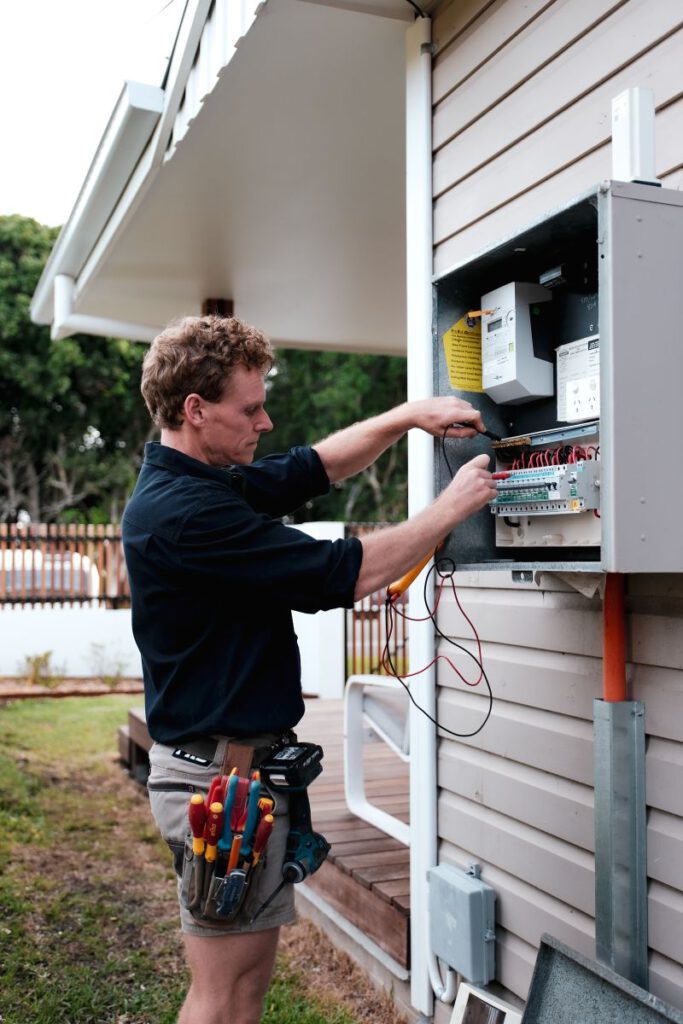
If you frequently experience circuit breaker trips while using your welder, or if your lights dim whenever your air conditioning system starts, this strongly suggests that your existing single-phase power supply may not adequately meet your demands. Such issues are particularly common in areas like Bellingen, Coffs Harbour, and the broader Mid North Coast, especially in rural settings and on large properties where substantial equipment is often in operation.
This detailed guide aims to provide you with crucial insights about three-phase power, the indicators that suggest an upgrade is necessary, the steps involved in enhancing your electrical system, and the potential costs related to this transition. We emphasise practical knowledge, avoiding technical jargon, to empower you to make a well-informed decision.
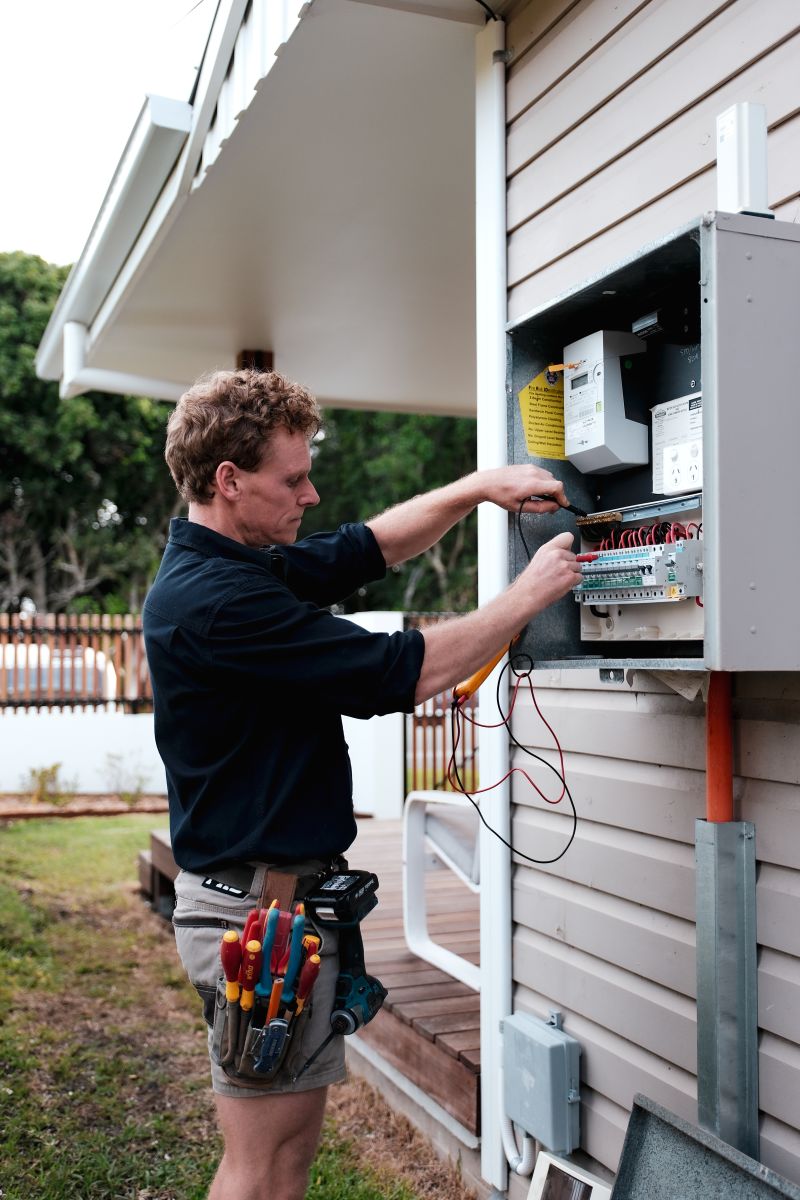
Discover the Advantages of Three-Phase Power: Key Differences from Single-Phase
In Australia, most households depend on single-phase power. You can envision this as a single lane of electricity supplying your home, adequately powering lights, refrigerators, televisions, and various power tools without significant complications.
In contrast, three-phase power operates like having three lanes of electricity at your disposal. This arrangement delivers a larger volume of power more consistently and can accommodate significantly heavier electrical loads without the risk of voltage drops or system overloads.
To clarify the differences:
- Single-phase: This system includes one active wire supplying power, which is typical in most residential homes. It usually provides around 230V and sufficiently meets standard household demands.
- Three-phase: This configuration features three active wires that distribute power in a rotating manner. It delivers approximately 400V and can handle much larger equipment without strain or the risk of overload.
Many residential areas across the Mid North Coast are wired for single-phase power. three-phase power might already be accessible on your street; it simply hasn’t been connected to your home yet. This is a crucial factor to consider when thinking about an upgrade.
Recognising the Signs That Your Single-Phase Power Supply Is Inadequate
Often, you may not realise the need for three-phase power until you start facing issues. Here are some common warning signs often observed in properties situated in and around Bellingen, Nambucca Heads, Urunga, and throughout the Mid North Coast:
- Lights dimming or flickering when equipment starts: If your lights dim each time a compressor, pump, or large motor activates, it suggests that your single-phase supply cannot handle the startup current.
- Circuit breakers tripping regularly: This is particularly frequent when multiple heavy appliances are in use simultaneously. While upgrading the switchboard may provide temporary relief, ongoing overloading indicates that switching to three-phase power is the best solution.
- Inability to use multiple heavy tools simultaneously: If starting your welder necessitates turning off the compressor, it is clear that your power supply has reached its capacity.
- Voltage drops affecting equipment performance: If motors run at reduced speeds, tools underperform, or sensitive electronics malfunction, low voltage can cause long-term damage to your equipment.
- Notification from your supplier that new equipment requires three-phase power: Many larger workshop machines, commercial air conditioning units, and irrigation pumps are specifically designed for three-phase power and will not operate on a single-phase supply.
If you identify two or more of these issues, it is wise to have a thorough evaluation conducted by a licensed electrician before investing in temporary fixes.
Typical Situations That Necessitate Three-Phase Power on the Mid North Coast
The Mid North Coast features a variety of rural properties, lifestyle blocks, farms, and semi-rural homes, with many individuals undertaking significant work on their land. Here are common setups that necessitate three-phase power:
Heavy Machinery for Workshops and Sheds
Large workshop equipment requires substantial power. If you operate any of the following, three-phase power is often the most effective solution:
- MIG/TIG welders (larger models): Larger welding machines typically necessitate three-phase power.
- Lathes and milling machines: Especially those designed for industrial applications.
- Large air compressors: Models above approximately 5HP usually require three-phase power.
- CNC routers and plasma cutters: Commonly used in fabrication and woodworking workshops.
If you are establishing a serious workshop, consider consulting our guide on Powering a Rural Workshop — Dedicated Circuits for Heavy Tools and Equipment for more detailed information on creating an effective electrical layout.
Irrigation Systems and Water Pump Setups
Bore pumps and extensive irrigation systems on farms and larger properties frequently require three-phase motors. These pumps operate more efficiently, have a longer lifespan, and can manage higher flow rates without the startup surge issues faced by single-phase motors, especially over long rural supply lines.
Pottery Studios and Kiln Operations
The hinterland regions around Bellingen and Dorrigo are home to a vibrant creative community, and we have equipped numerous pottery studios. Larger ceramic kilns, especially those exceeding around 8kW, nearly always require three-phase power to achieve and maintain the necessary firing temperatures effectively.
High-Capacity Air Conditioning Systems
Ducted air conditioning systems rated above approximately 15kW generally require a three-phase supply. In larger properties — particularly those with multiple living spaces or separate buildings — single-phase power simply cannot meet the demand. It is also advisable to implement surge protection when operating costly HVAC systems.
Powering Ancillary Buildings and Sheds
If you are extending power to a large shed, studio, or granny flat, and are already nearing the limits of your single-phase supply at home, this project often prompts a transition to three-phase power. Our guide on Shed Wiring on Acreage offers an in-depth exploration of the wiring considerations involved.
Understanding the Process of Transitioning to Three-Phase Power
Transitioning from single-phase to three-phase power is not a straightforward task that can be completed in a weekend. The process involves several stages, some of which require coordination with your electricity distributor, which is Essential Energy for the Mid North Coast.
Here is a breakdown of the typical process:
Step 1: Conducting an Assessment and Providing a Quote
A licensed electrician will evaluate your current setup, including your switchboard, mains cable, meter location, and intended electrical usage. This assessment identifies the scope of work required and determines if your existing wiring requires any additional upgrades.
Step 2: Submitting an Application to Essential Energy
Your electrician will submit an application to Essential Energy (the network distributor for the Mid North Coast) to request a three-phase power connection for your property. Essential Energy must confirm that three-phase power is available on your street or supply line and will outline any necessary network-side work that needs to be completed.
- If three-phase is already accessible on your street: The process is generally more straightforward and quicker.
- If three-phase needs to be extended to your area: This process is more time-consuming and costly, as Essential Energy may need to install new lines or upgrade a transformer.
Step 3: Performing Electrical Work at Your Property
Once Essential Energy grants approval, your electrician will carry out the necessary work on your property:
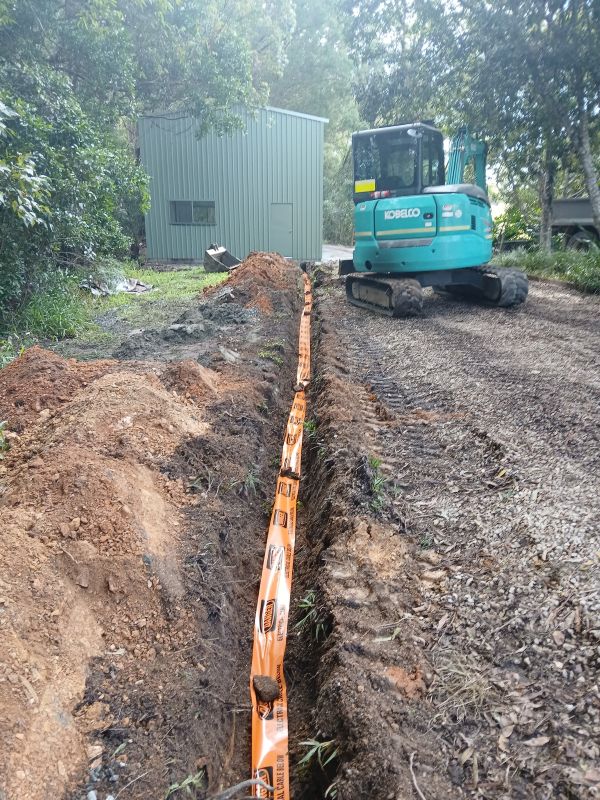
- Installation of new mains cabling: This involves installing new cabling from the street supply to your meter and switchboard, as the existing single-phase mains cable is unsuitable for three-phase connections.
- Meter replacement: Essential Energy will either replace your existing meter with a three-phase meter, or your electrician will coordinate this with them.
- Three-phase switchboard installation: Your old single-phase switchboard will be either replaced or upgraded to distribute three-phase power to the required circuits.
- Circuit wiring: New dedicated circuits will be installed for equipment requiring three-phase power, while your existing single-phase circuits will continue to function as they are.
If your property also requires new power points or switches in the workshop or shed, these additions are typically installed at the same time to optimise labour costs.
Step 4: Final Inspection and Activation of Your New Power Supply
All completed work will undergo a thorough inspection and certification. Following this, Essential Energy will energise the new three-phase connection. Your electrician will perform a final check to ensure that everything operates correctly.
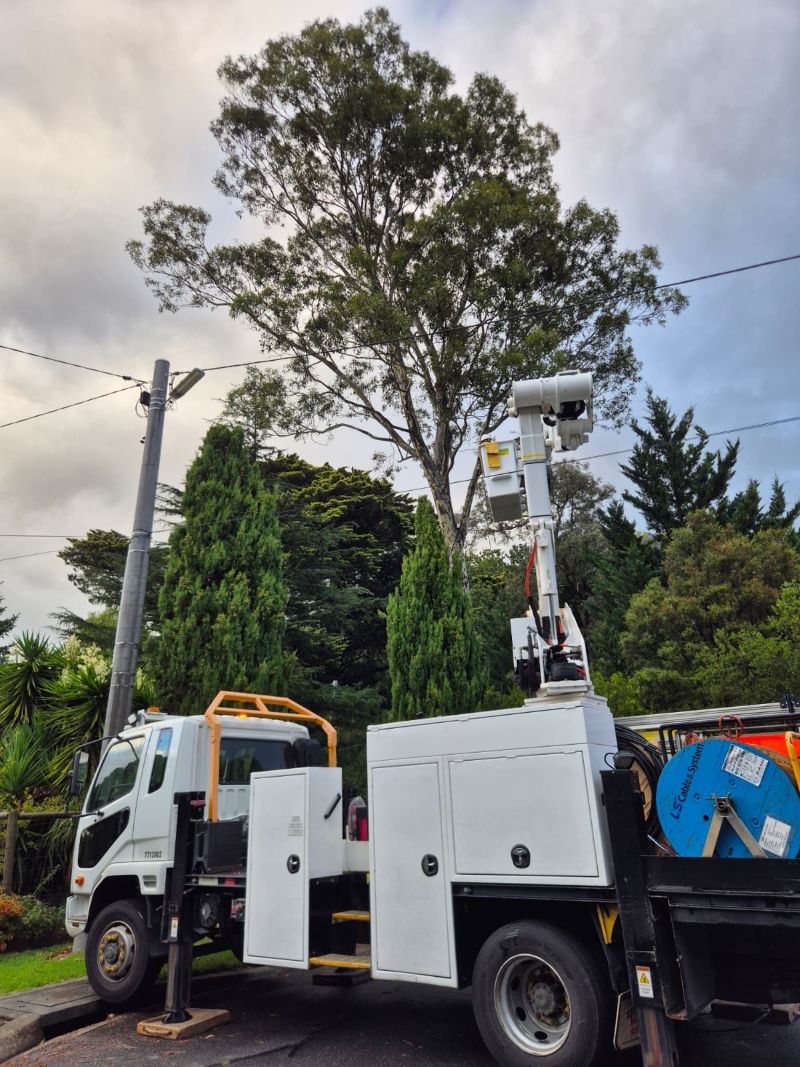
Understanding the Timeline for Your Three-Phase Power Upgrade
The duration of the upgrade process can vary significantly depending on factors related to Essential Energy:
- If three-phase is available on your street: The entire process (application, approval, electrical work, energisation) generally takes 4 to 8 weeks.
- If Essential Energy needs to extend the network: Expect the timeline to range from 8 to 16 weeks or even longer, depending on the extent of their work.
The actual electrical work on your property typically takes between 1 to 3 days. The majority of the waiting period is often associated with Essential Energy‘s application and connection process.
Evaluating the Financial Implications of a Three-Phase Upgrade
The costs associated with upgrading to three-phase power can vary based on the complexity of the job, the distance from the street supply to your switchboard, and the fees charged by Essential Energy for the network connection.
As a general estimate:
- Straightforward upgrade (three-phase already available on the street, short mains run): Starting from $8,000, which includes switchboard upgrades, new mains, and Essential Energy fees.
- More complex upgrade (longer mains run, extension needed from Essential Energy network, significant switchboard modifications): Starting from $15,000 and potentially much higher if Essential Energy needs to enhance existing infrastructure.
The connection fees from Essential Energy are separate from the costs charged by your electrician, and these fees vary based on location and the extent of work required on the network side. Your electrician should provide a detailed breakdown of both costs before you proceed.
Consider whether you might benefit from installing a generator changeover switch as part of the upgrade, especially on rural properties where power outages are more frequent.
Legal Requirement: All Electrical Work Must Be Conducted by a Licensed Electrician in NSW
This requirement is non-negotiable. In New South Wales, all electrical work, including three-phase upgrades, private power pole maintenance, switchboard installations, and circuit wiring, must be performed by a licensed electrical contractor. Engaging in DIY electrical work is illegal and poses significant risks.
Hack-It Electrical Solutions holds NSW Electrical Contractor Licence #230609C. We perform three-phase upgrades across the Mid North Coast, from Bellingen and Dorrigo to Coffs Harbour, Sawtell, Woolgoolga, Nambucca Heads, and all areas in between.
Your Questions Answered: Frequently Asked Questions
Can I Operate Three-Phase Equipment on a Single-Phase Power Supply?
In certain cases, yes — this can be accomplished by using a phase converter or a variable frequency drive (VFD). These solutions can increase your costs, may diminish equipment performance, and might not be suitable for all applications. For those with multiple three-phase equipment items, upgrading to a three-phase supply is typically the more prudent long-term investment.
How Can I Check for the Availability of Three-Phase Power on My Street?
Your electrician can verify this information with Essential Energy during the assessment process. In many urban and semi-rural areas on the Mid North Coast, three-phase power is already available along the street; it simply has not been connected to your property yet.
Will Upgrading to Three-Phase Power Increase My Property’s Value?
It has the potential to do so, particularly for rural and semi-rural properties. Three-phase power can be a significant selling point for prospective buyers looking to operate workshops, farms, or home businesses, as it indicates that the property’s electrical infrastructure is robust and capable of supporting more than just standard residential needs.
Is Three-Phase Power Necessary for Solar Panel Installations?
Standard residential solar systems generally operate on single-phase power. larger commercial-grade solar installations (typically exceeding 15kW) do require three-phase power. If you are planning a substantial solar setup alongside other significant electrical loads, considering three-phase power as part of your overall energy strategy is advisable.
What Are the Ongoing Cost Differences Between Single-Phase and Three-Phase Power?
Your electricity rates will not change simply because you switch to three-phase power. You will pay for your actual usage, just as you did before. The daily supply charge may be slightly higher under a three-phase tariff, but the difference is minimal. The genuine cost benefits arise from the enhanced efficiency and reliability of your equipment.

Ready to Determine if Three-Phase Power Is Right for Your Property?
We are level 2 electricians ready to assist you in overcoming your power limitations. If you are planning a workshop, shed, or equipment upgrade that requires significant power, get in touch with us. We will evaluate your current setup, verify the availability of three-phase power with Essential Energy, and provide you with a clear assessment of what is involved and the associated costs.
Contact Hack-It Electrical Solutions at 0402 079 803 or reach out through our contact page.
We are a licensed electrical contractor serving Bellingen, Coffs Harbour, Sawtell, Nambucca Heads, Woolgoolga, Urunga, Dorrigo, Valla Beach, and Toormina. NSW Licence #230609C.
Original Article First Published At: Do I Need Three-Phase Power on My Property? A Mid North Coast Guide
The Article: Three-Phase Power: A Guide for Mid North Coast Properties first appeared on https://writebuff.com
The Article Three-Phase Power Guide for Mid North Coast Homes Was Found On https://limitsofstrategy.com
The Article Three-Phase Power for Homes on the Mid North Coast found first on https://electroquench.com