Unlock In-Depth Insights on Liver Blood Tests Available in the UK
Understand the Importance of Common Liver Blood Tests
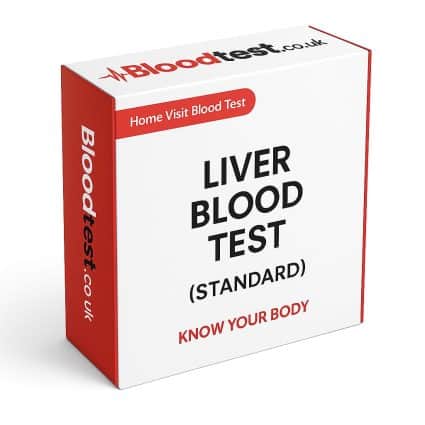
Private Liver Blood Test in Durham: In the UK, patients often undergo a selection of liver blood tests aimed at assessing their hepatic health. These essential tests typically include Alanine Aminotransferase (ALT), Aspartate Aminotransferase (AST), Alkaline Phosphatase (ALP), and Bilirubin levels. Conducted in local clinics, these tests provide crucial insights into liver function and general health status, which is vital for the early identification of potential health concerns.

Understanding the purpose and consequences of these tests empowers patients to take a proactive role in their health management, encouraging them to adopt measures aimed at achieving optimal liver wellness.
Key Biomarkers Evaluated in Liver Blood Tests That You Must Know
Utilising liver blood tests is essential for identifying potential liver-related health issues by measuring specific biomarkers found in the bloodstream. The primary indicators assessed include liver enzymes such as ALT and AST, along with bilirubin and albumin levels. Variations in these markers can indicate underlying health concerns, including liver dysfunction or disease. Recognising these critical indicators allows healthcare professionals to act promptly, ensuring that patients receive the necessary interventions to maintain their liver health effectively.
How Frequently Should You Schedule Liver Blood Tests?
It is particularly advisable for individuals at heightened risk, such as those with a family history of liver disease, excessive alcohol consumption, or pre-existing health conditions, to undergo regular liver blood tests. Adhering to national health guidelines guarantees a consistent approach to monitoring liver health, which is crucial for the timely identification of any irregularities while also minimising unnecessary procedures. Regular testing acts as a preventative measure, helping to safeguard individuals against potential liver complications.
How to Understand Your Liver Blood Test Results
Interpreting the results of your liver blood tests necessitates a clear understanding of reference ranges and the significance of any abnormal findings. It is critical for patients to consult healthcare professionals when their results deviate from the normal range, as this enables effective management of their health. Engaging in discussions about these results empowers patients to make informed decisions regarding their lifestyle choices and treatment options, promoting a collaborative approach to health management.
What Factors Can Affect the Accuracy of Liver Blood Tests?
Several elements can significantly affect the accuracy of liver blood tests in the UK. Lifestyle choices—including diet, medication use, and environmental factors—play a key role in the reliability of test outcomes. To enhance the precision of test results, patients should follow guidelines provided by healthcare professionals, which often include recommendations to refrain from alcohol and to fast prior to testing. Adhering to these guidelines ensures that test results accurately reflect the true state of their liver health.
What Is the Procedure Involved in a Liver Blood Test?
What to Expect During the Blood Sampling Process
The blood sampling procedure for a liver blood test generally follows a simple process whereby a qualified healthcare professional draws blood from a vein in the arm. This procedure is conducted swiftly and efficiently, adhering to strict safety protocols designed to ensure patient comfort while minimising any associated risks. Familiarising oneself with this process can help alleviate any anxiety patients may experience about the test, empowering them to take an active role in their health assessments.
What Occurs During Laboratory Analysis of Blood Samples?
After the blood samples are collected, they are sent to a laboratory for in-depth analysis. Advanced technology is utilised to ensure precise results, which are critical for accurate diagnoses. Laboratories follow established protocols to meticulously evaluate liver function markers, generating reliable reports that are subsequently shared with healthcare providers. This rigorous process ensures that any abnormalities are identified promptly, enabling timely interventions for patients.
What Risks and Complications Should Be Considered?
Although liver blood tests are generally regarded as safe, there are minor risks associated with them, such as bruising at the site where the blood is drawn. Patients should remain attentive to these potential complications and seek follow-up care if they experience any unusual symptoms post-test. This proactive approach is essential for ensuring that any post-test issues are addressed quickly, thereby contributing to the overall management of their health.
Key Preparation Steps for Your Liver Blood Test
Preparing for a liver blood test in the UK usually requires fasting for 8 to 12 hours before the test. This practice is crucial as it helps prevent skewed results that may occur due to recent food intake. Moreover, healthcare providers may advise patients to avoid certain medications and refrain from alcohol prior to testing, which further aids in ensuring accurate diagnostics. Following these preparation guidelines is vital for maintaining the reliability of test outcomes.
Effective Strategies to Prepare for Your Upcoming Liver Blood Test
What Foods Should You Eat Prior to the Test?
Before undergoing a liver blood test, it is advisable to have a light meal the night before and to avoid eating until after the test is completed. Consuming high-fat foods can distort test results, making it essential to adhere to a balanced diet leading up to the procedure. Additionally, maintaining proper hydration is highly recommended as it supports overall health and can facilitate the blood draw process.
What Documentation Should You Bring to Your Appointment?
Patients attending a liver blood test appointment in the UK should ensure they bring all necessary documentation, including a valid form of identification and any referral letters if required. Having these documents readily available can streamline the appointment process, leading to reduced wait times and a smoother experience during their visit.
Practical Recommendations for Post-Test Care
After undergoing a liver blood test, patients may experience minor discomfort, which is entirely normal. To aid in recovery, consider the following practical tips:
- Rest as needed to allow your body to recuperate effectively.
- Apply a cold compress if bruising occurs at the site where blood was drawn.
- Stay well-hydrated to assist your body in recovering efficiently.
- Avoid strenuous activities for the remainder of the day to prevent complications.
Implementing these measures can help ensure a smooth and swift recovery following your test.
Professional Insights on Liver Blood Testing Trends in Durham
Leveraging Advanced Diagnostic Techniques for Enhanced Liver Testing
In Durham, healthcare providers are increasingly embracing advanced diagnostic techniques for liver blood tests. Innovations such as non-invasive imaging and enhanced laboratory tests have transformed the approach to liver health assessments. These state-of-the-art methods enable more accurate detection of liver conditions, resulting in improved patient outcomes and tailored treatment plans. The evolution of these diagnostic tools underscores the importance of remaining informed about medical advancements for optimal health management.
Health Benefits of Regular Testing for Long-Term Wellness
Routine liver blood tests offer significant advantages for long-term health management strategies. Research demonstrates that early identification of liver issues through these tests can facilitate timely interventions, which are essential in preventing more severe health complications. By prioritising regular testing, patients can take proactive steps towards safeguarding their liver health and overall well-being, thus ensuring a higher quality of life.
When Should You Seek Advice from Liver Health Specialists?
Consulting a specialist becomes crucial when concerning results emerge from a liver blood test. UK healthcare professionals recommend seeking further evaluation if patients exhibit warning signs, such as persistent abdominal pain, jaundice, or abnormal test results that necessitate immediate attention. Engaging with specialists can provide deeper insights into liver health and lead to appropriate management strategies tailored to individual needs.
What Benefits Do Liver Blood Tests Offer Patients?
Enhanced Early Detection of Liver Conditions for Improved Outcomes
In the UK, healthcare practitioners assert that regular liver blood tests significantly enhance the likelihood of identifying liver problems at an early stage. Early identification is crucial, as it allows for timely treatment, which can greatly improve patient outcomes and diminish the risk of developing severe liver disease. By prioritising these tests, individuals can protect their health and ensure that any emerging issues are promptly addressed.
Importance of Liver Blood Tests in Overall Health and Well-Being
Liver blood tests are a fundamental aspect of comprehensive health maintenance. By consistently monitoring liver function and identifying potential issues, these tests empower patients to align their lifestyle choices with UK health guidelines. This proactive approach promotes overall wellness and encourages individuals to take control of their health, leading to an enhanced quality of life.
Affordability and Accessibility of Liver Tests for Everyone
The affordability of liver blood tests in the UK makes them accessible to a wide array of patients, supporting preventive healthcare initiatives without imposing financial burdens. This cost-effectiveness encourages regular testing, which is essential for long-term health management. Promoting routine health screenings can lead to healthier communities and lower healthcare costs in the future.
Critical Support Offered by Liver Blood Tests for Chronic Conditions
Liver blood tests play an integral role in managing chronic liver conditions such as hepatitis or cirrhosis. In the UK, these tests enable healthcare providers to monitor disease progression closely and adjust treatment plans accordingly. Continuous monitoring significantly improves the quality of life for affected individuals, empowering them to manage their condition effectively and maintain a better standard of health.
How to Thoroughly Interpret Your Liver Test Results in the UK
Comprehending Normal Ranges for Liver Test Outcomes
Understanding the normal ranges for liver test results is crucial for patients eager to monitor their health effectively. Typical values are established based on UK standards, and being informed about these ranges helps individuals recognise their liver health status. This knowledge empowers patients to take proactive steps towards their health, encouraging them to seek professional advice when results deviate from the expected norms.
Identifying Indicators of Abnormal Results in Your Findings
Elevated liver test results may signal potential health problems. Common indicators include increased liver enzymes or bilirubin levels, which might suggest liver inflammation or damage. Patients should proactively consult healthcare professionals to discuss follow-up actions based on these findings, ensuring that any necessary interventions are implemented promptly for their well-being.
Key Follow-Up Procedures to Consider After Testing
Upon receiving liver blood test results, patients may need to arrange follow-up appointments or additional treatments. Important actions to consider include:
- Scheduling a follow-up consultation with your healthcare provider.
- Requesting further diagnostic imaging to gain a more comprehensive understanding of liver health.
- Discussing necessary lifestyle modifications to support liver health.
- Considering a referral to a liver health specialist for more extensive care.
These steps are essential for ensuring thorough management of liver health and empowering patients to navigate their health journey effectively.
Collaborating with Healthcare Professionals for Optimal Health Management
Patients should engage in open discussions with their GPs or specialists regarding their test results. Understanding the NHS referral processes and asking relevant questions can significantly enhance patient awareness and contribute to effective liver health management. By fostering a collaborative relationship with healthcare providers, patients can take control of their health, leading to improved overall outcomes.
Common Questions Regarding Liver Blood Tests
What Is a Liver Blood Test and Its Purpose?
A liver blood test assesses liver function and health by measuring enzymes, proteins, and other substances present in the bloodstream.
How Often Should I Get a Liver Blood Test?
The frequency of testing varies based on individual risk factors; however, those with a history of liver disease may require testing annually.
What Do Elevated Liver Enzymes Indicate?
Elevated liver enzymes can indicate liver inflammation, damage, or disease, necessitating further investigation and follow-up.
Are There Risks Associated with Liver Blood Tests?
While liver blood tests are generally safe, some minor risks include bruising or discomfort at the site where blood is drawn.
Can Medications Affect My Test Results?
Yes, certain medications can interfere with liver blood test results; it is advisable to inform your healthcare provider before testing.
How Long Does It Typically Take to Receive Test Results?
The timeframe for receiving results typically ranges from a few days to a week, depending on the laboratory’s processing time.
What Lifestyle Changes Can Enhance Liver Health?
Maintaining a balanced diet, engaging in regular physical activity, and avoiding excessive alcohol consumption can significantly improve liver health.
What Steps Should I Take If My Results Are Abnormal?
Consult your healthcare provider immediately to discuss your results and explore potential next steps for further evaluation or treatment.
Is Fasting Necessary Before the Test?
Yes, it is often recommended to fast for 8-12 hours before the test to ensure accurate results.
Where Can I Get a Liver Blood Test in Durham?
Liver blood tests are available at various local clinics, hospitals, and GP surgeries throughout Durham, providing accessible options for patients.
Join us on Facebook for more insights into liver health!
This Article Was First Found On https://bloodtest.co.uk
The Article Liver Blood Test: Essential Information for Durham Residents found first on https://electroquench.com