Your Comprehensive Guide to Cut-Resistant Safety Gloves
Why You Absolutely Need Cut-Resistant Gloves in UK Workplaces
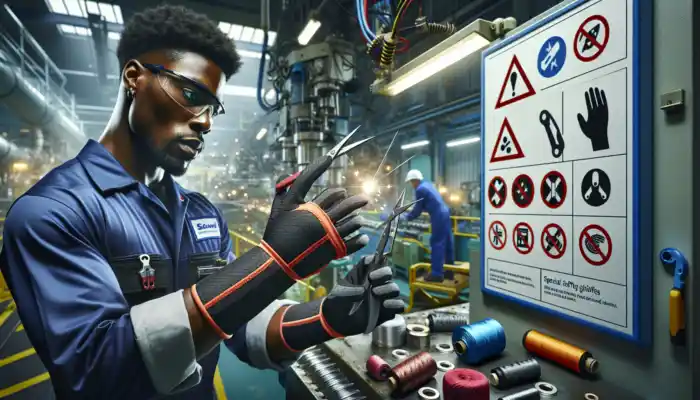
Cut-resistant safety gloves are essential for safeguarding workers against injuries, particularly in high-risk environments across the UK. Constructed from innovative, high-performance materials such as Kevlar and specially engineered yarns, these gloves are designed to withstand sharp objects while ensuring maximum dexterity. It is crucial to select gloves that provide the right cut-resistance level for the tasks at hand, guaranteeing optimal protection without sacrificing comfort. By choosing the right gloves, businesses can significantly reduce the likelihood of accidents, thereby enhancing overall workplace safety. These gloves are a key component of any personal protective equipment (PPE) strategy.
Discover the Extensive Range of Cut-Resistant Gloves Offered in Warwick
In Warwick, a diverse array of cut-resistant gloves is readily available, tailored to meet the unique needs of various sectors, including construction, manufacturing, and food handling. Local suppliers prioritise creating gloves that balance durability with functionality, enabling workers to choose options that cater specifically to their safety demands. For instance, gloves designed for construction might feature reinforced palms for added protection, while options intended for food handling prioritise hygiene and comfort. This extensive selection empowers employees to select the most suitable gloves for their specific tasks, thereby enhancing both safety and efficiency in their work environments.
Essential Features to Evaluate When Choosing Cut-Resistant Gloves
When selecting the appropriate cut-resistant gloves, it is imperative to consider several vital features that enhance safety and comfort. Look for gloves with blade resistance levels (such as EN 388 ratings) that indicate their ability to resist cuts. An ergonomic fit ensures comfort during prolonged use, while superior grip capabilities enhance handling efficiency. Depending on the specific nature of the tasks, gloves that are water- and chemical-resistant, along with breathable materials to prevent overheating, may also be necessary. Durability is essential for frequent use, and compliance with UK safety standards is crucial to ensure a safe working environment.
- Blade resistance levels (e.g., EN 388 ratings)
- Ergonomic fit for long-lasting comfort
- Gripping capabilities to enhance handling
- Water and chemical resistance tailored for specific tasks
- Breathability to prevent overheating
- Durability to withstand regular use
- Adherence to UK safety standards
These features collectively enhance protection and comfort, making the gloves suitable for a wide variety of work environments.
Proven Strategies for Purchasing Cut-Resistant Safety Gloves in Warwick

What Steps Should You Take for Informed Purchasing in the UK?
When acquiring cut-resistant gloves in Warwick, it is essential to comprehensively evaluate your options across various retailers and select certified products that comply with the British safety standard EN 388 for cut resistance. Seek reputable local suppliers who are transparent about their offerings and have garnered positive feedback from customers. Consulting with experts in safety equipment can yield tailored recommendations based on the unique hazards present in your workplace, aiding you in selecting the most appropriate gloves for your safety requirements.
What Are Real-World Examples of Cut-Resistant Glove Usage in UK Settings?
The implementation of cut-resistant gloves within the UK manufacturing sector has led to a notable decline in hand injuries. A specific case study from a factory in Warwick noted a remarkable 30% reduction in laceration incidents following the introduction of a mandatory glove-wearing policy for all employees. Safety professionals observed that the use of these gloves not only protects workers but also fosters a culture of safety, ultimately boosting productivity and enhancing employee morale. This real-world evidence underscores the importance of investing in high-quality protective gear.
What Effective Maintenance Techniques Can You Apply to Your Cut-Resistant Gloves?

To extend the lifespan of your cut-resistant gloves, proper maintenance is paramount. Always store your gloves in a cool, dry location, away from direct sunlight, to prevent material degradation. Additionally, conduct regular inspections for any signs of wear or damage and clean them according to the manufacturer's instructions. Adequate upkeep not only preserves their protective capabilities but also prolongs their service life, making them a cost-effective investment for any workplace. Implementing consistent checks and cleaning routines ensures that gloves remain effective and safe for use.
What Expert Advice Is Available on Selecting Glove Materials and Designs?
Choosing the appropriate materials for cut-resistant gloves is vital for ensuring both safety and comfort. Experts recommend gloves made from high-performance fibres like Kevlar or Dyneema, which deliver exceptional cut resistance while maintaining flexibility. For industries in Warwick that demand high levels of dexterity, lightweight gloves equipped with superior grip capabilities are ideal, allowing workers to perform their tasks efficiently without compromising on protection. Selecting gloves that incorporate these critical features is essential for achieving optimal safety and functionality.
What Key Information Should You Be Aware of Regarding UK Regulations for Glove Certification?
In the UK, cut-resistant gloves must adhere to specific safety regulations, primarily defined in the EN 388 standard. This standard assesses gloves for their resistance to cuts, punctures, and abrasions. When purchasing gloves in Warwick, consumers must ensure that the products display the appropriate certification marks. Understanding these regulations guarantees that the selected gloves offer sufficient protection and comply with legal safety requirements, thereby safeguarding workers in various environments.
How to Choose the Ideal Gloves in Warwick Effectively?
What Essential Factors Should You Consider When Making a Purchase in the UK?
When acquiring cut-resistant gloves in the UK, several crucial factors must be taken into account to ensure optimal hand protection. Sizing is critical; gloves should fit snugly without being overly tight to maintain necessary dexterity. Comfort is also paramount, as workers will likely wear these gloves for extended durations. Additionally, verifying that the gloves comply with UK regulations is imperative to guarantee safety across diverse work environments. By considering these aspects, you can make a more informed and effective purchasing decision.
Why Is It Vital to Prioritise Certified Products Available Locally?
Prioritising certified cut-resistant gloves in Warwick significantly enhances workplace safety. EN-certified gloves undergo rigorous cut-resistance testing, confirming that they meet safety standards. You can verify the authenticity of these products by checking for certification labels or requesting documentation from suppliers, ensuring that workers are adequately protected in their roles. This commitment to safety is crucial for fostering a secure working environment.
What Common Mistakes Should You Steer Clear of During Your Purchase?
When purchasing cut-resistant gloves, it is essential to avoid common pitfalls that may compromise safety. Ignoring glove fit can impede dexterity, while choosing gloves based solely on price can result in insufficient protection. Always prioritise quality over cost, ensuring that materials are suitable for the specific tasks at hand. This approach guarantees the necessary protection without sacrificing usability, thus contributing to a safer workplace overall.
What Are the Benefits of Using Cut-Resistant Gloves?
How Do Cut-Resistant Gloves Improve Hand Safety in UK Industries?
Cut-resistant gloves are paramount for shielding against cuts and lacerations, particularly in fields such as engineering and construction. For instance, a construction firm based in Warwick noted a significant improvement in safety metrics after mandating the use of these gloves, showcasing their effectiveness in reducing injuries. This type of protective equipment not only promotes safer working practices but also instills confidence among employees regarding their safety, which is crucial for maintaining productivity and morale within the workplace.
How Have Cut-Resistant Gloves Advanced Dexterity and Comfort?
Modern cut-resistant gloves are meticulously engineered to provide superior dexterity, enabling workers to perform intricate tasks without compromising safety. Numerous suppliers in Warwick offer gloves that effectively balance protective features with usability, allowing employees to remain productive while minimising the risk of injury. Features such as touchscreen compatibility and flexible materials significantly enhance comfort and usability in various working conditions, making these gloves an excellent choice for a wide range of applications.
What Health Benefits Are Associated with the Use of Cut-Resistant Gloves?
Utilising cut-resistant gloves can yield numerous health benefits for workers. Consider the following advantages:
- Reduced risk of cuts and lacerations
- Decreased likelihood of infections resulting from injuries
- Improved hand health through the prevention of repetitive strain injuries
- Enhanced comfort that mitigates user fatigue
- Potential for long-term use without discomfort
- Support for maintaining hygiene standards in food handling
- Contributes to a broader culture of workplace safety
These health benefits underscore the importance of selecting suitable protective gear for various tasks, ultimately leading to a safer working environment.
What Materials Are Best Suited for Safety Gloves?
How Do Various Fabrics Enhance Cut Resistance?
The choice of fabrics used in cut-resistant gloves plays a significant role in their effectiveness. Materials such as Kevlar provide outstanding cut resistance while remaining lightweight and flexible, making them suitable for a diverse range of applications. Additionally, high-density polyethylene (HDPE) is a popular option due to its durability and resistance to abrasion. Opting for gloves constructed from these premium materials ensures that workers receive the highest level of protection without sacrificing comfort or dexterity.
Are Synthetic Materials Superior in the UK Market?
Generally speaking, synthetic materials outperform natural alternatives in terms of durability and cost-effectiveness. In Warwick, gloves made from synthetic blends often exhibit greater resistance to wear and tear compared to their natural counterparts. This enhanced durability translates into longer-lasting gloves, providing better value for money while also ensuring safety. Moreover, synthetic gloves can be engineered to improve grip and flexibility, making them a practical choice for industries demanding robust protective gear.
What Factors Impact the Longevity of Cut-Resistant Gloves?
The lifespan of cut-resistant gloves is influenced by several factors, including the materials used and the conditions in which they are employed. High-quality fabrics that resist abrasion and maintain structural integrity over time are crucial for ensuring durability. Additionally, proper maintenance, including regular cleaning and safe storage, plays a significant role in prolonging the life of gloves, ensuring they remain effective for extended periods. Implementing a consistent care routine can dramatically enhance their longevity.
How Do Environmental Conditions Affect Material Choices for Safety Gloves?
Environmental factors significantly impact the selection of materials for safety gloves. In the UK, conditions such as moisture, extreme temperatures, and exposure to hazardous chemicals can affect glove performance. For example, waterproof gloves are essential in wet environments, while UV-resistant options may be necessary for outdoor work. Selecting gloves specifically designed to address these environmental challenges ensures that workers remain protected and comfortable across various working conditions, thereby enhancing their safety and overall effectiveness.
Research-Backed Benefits of Investing in Cut-Resistant Safety Gloves in Warwick
What Insights Do Real-World Studies from the UK Provide?
Research conducted throughout the UK demonstrates the effectiveness of cut-resistant gloves in reducing workplace injuries. A notable study across multiple manufacturing sites revealed that companies implementing glove usage experienced a 40% decline in hand-related injuries. This data underscores the tangible benefits of investing in high-quality protective gear for employees, making it essential for employers in Warwick to consider cut-resistant gloves as a standard component of their safety equipment. Such investments not only enhance safety but also improve overall productivity.
What Evidence-Based Reasons Support the Adoption of Cut-Resistant Gloves?
Evidence from various UK institutions indicates that improved safety outcomes are associated with the consistent use of cut-resistant gloves. Research shows that workplaces prioritising glove usage report lower incident rates, resulting in reduced downtime and enhanced productivity. This data reinforces the necessity of integrating cut-resistant gloves into safety protocols, ultimately leading to a safer work environment for all employees.
What Strategies Should Be Employed to Incorporate Gloves into Daily Work Practices?
To effectively integrate cut-resistant gloves into daily work routines, training programmes should be implemented to educate employees on proper usage and the benefits of wearing gloves. Workshops focused on hand safety can promote a culture of awareness, encouraging workers to consistently wear the provided gloves. Additionally, conducting regular refresher courses can help maintain high safety standards, ensuring that all staff are familiar with the latest practices and technologies related to safety gear.
Where to Find Quality Gloves in the UK?
What Are the Leading Retailers in Warwick for Safety Gloves?
In Warwick, numerous reputable retailers offer high-quality cut-resistant gloves. Local safety equipment suppliers provide a varied selection tailored to different industries, ensuring customers can find gloves that meet their specific safety requirements. Furthermore, online platforms present a wide array of options, enabling convenient shopping with detailed product descriptions and customer reviews, thus facilitating informed purchasing decisions.
How Can You Secure Great Deals Without Compromising Quality?
Obtaining deals on cut-resistant gloves without compromising quality necessitates a strategic approach. Explore local outlets for seasonal promotions or discounts on bulk purchases, as many suppliers offer competitive pricing for larger orders. Additionally, online retailers frequently host sales, making it vital to compare prices and ensure that products meet safety standards before completing any purchase. This diligence guarantees you receive the best value for your investment without sacrificing safety.
What Best Practices Should You Follow When Purchasing Gloves Online?
When shopping online for cut-resistant gloves, keep the following tips in mind to ensure a satisfactory purchasing experience:
- Verify the retailer’s reputation through customer reviews
- Look for clear product descriptions and specifications
- Check return policies to ensure flexibility
- Confirm safety certifications prior to purchasing
- Utilise secure payment methods for transactions
- Monitor shipping costs for budget considerations
- Inquire about customer support options for assistance
These tips can streamline the purchasing process, ensuring a smooth experience in Warwick while securing high-quality protective gear.
Essential Maintenance and Care Guidelines for Cut-Resistant Gloves
What Recommended Cleaning Methods Should You Follow for Longevity?
Maintaining cut-resistant gloves demands adherence to recommended cleaning methods to preserve their protective properties. Most gloves can be hand-washed in cold water with a mild detergent and air-dried away from direct heat sources to prevent damage to the material. Avoid using bleach or harsh chemicals, as these can compromise the integrity of the materials. Regular cleaning ensures gloves remain hygienic and sustains their effectiveness over time, making them a valuable part of your safety equipment.
What Are the Best Practices for Storing Safety Gloves in the UK?
Proper storage of cut-resistant gloves is crucial to prevent damage and enhance their longevity. Store gloves in a cool, dry environment to avoid moisture exposure or direct sunlight, which can deteriorate materials. Hanging gloves on hooks or placing them in breathable bags helps maintain their shape and integrity, particularly in environments such as UK workshops and warehouses. Implementing these storage practices ensures that your gloves remain in optimal condition for use.
What Signs Indicate That Your Gloves Should Be Replaced?
Identifying when cut-resistant gloves need replacement is vital for maintaining ongoing safety. Look for visible signs of wear, such as frayed seams, holes, or a diminished grip. If the gloves no longer fit snugly or show significant deterioration, it is time to invest in new ones. Regular inspections should be an integral part of your safety protocols to ensure gloves remain effective during use, thereby maintaining a safe working environment for all employees.
What Routine Inspection Techniques Should You Implement for Safety Gloves?
Establishing a routine inspection process for cut-resistant gloves can help identify wear and tear early on. Workers should routinely check their gloves for signs of damage or wear, including faded colour, compromised seams, or loss of elasticity. Implementing a checklist for inspections can streamline this process and ensure consistent safety practices across various work environments, including construction sites and manufacturing facilities. This proactive approach significantly enhances safety and reduces the risk of hand injuries.
Understanding Safety Standards in the UK
What Are the Key Regulations Governing Glove Compliance?
In the UK, cut-resistant gloves must comply with established safety standards, primarily outlined in EN 388. This standard evaluates gloves for their resistance to cuts, abrasions, and punctures. Buyers in Warwick must ensure that any gloves purchased display the appropriate certification marks, confirming compliance with legal and safety requirements for workplace use. Adhering to these standards is vital for ensuring worker safety across all industries.
How Have Local Safety Standards Developed Over Time?
The evolution of safety standards in the UK has prompted significant advancements in the design and functionality of cut-resistant gloves. Recent updates have focused on enhancing cut resistance ratings and ensuring compliance with new materials and manufacturing technologies. Staying informed about these ongoing developments is crucial for employers and safety professionals, as it enables them to select gloves that reflect the latest advancements for optimal workplace safety.
Why Is Compliance with Standards Crucial for Users?
Adherence to safety standards is essential for mitigating risks of hand injuries in the workplace. Non-compliance can lead to elevated accident rates and legal liabilities for employers. By prioritising certified cut-resistant gloves, workers in Warwick can significantly reduce these risks, fostering a safer working environment and enhancing the organisation’s overall safety culture. Compliance provides benefits to both employees and employers alike.
Frequently Asked Questions
What Are Cut-Resistant Safety Gloves?
Cut-resistant safety gloves are specialised protective gear designed to prevent cuts and lacerations in various work environments. They are made from high-performance materials that offer varying levels of cut resistance, ensuring safety during tasks involving sharp objects.
How Do I Determine Which Cut-Resistant Gloves to Buy?
Consider factors such as the cut-resistance level, size, fit, and compliance with UK safety standards. Assess the specific tasks you will perform to select gloves that provide the best protection and comfort for your needs.
Where Can I Purchase Cut-Resistant Gloves in Warwick?
In Warwick, cut-resistant gloves can be obtained from local safety equipment suppliers, hardware stores, and online retailers. Ensure you check product certifications and reviews to verify quality and safety.
What Is EN 388 Certification and Its Importance?
EN 388 certification indicates that cut-resistant gloves have been tested for their resistance to cuts, abrasion, punctures, and tearing. This standard is crucial for ensuring that gloves provide adequate protection in workplace settings.
Are Synthetic Gloves More Effective Than Natural Materials?
Synthetic gloves often provide superior durability and wear resistance compared to natural materials. They can also be designed to enhance grip and flexibility, making them a popular choice across industries requiring protective gear.
How Should I Care for My Cut-Resistant Gloves?
To care for your cut-resistant gloves properly, clean them according to the manufacturer’s instructions, store them in a cool, dry place, and regularly inspect them for signs of wear or damage, replacing them as necessary to maintain safety.
Can Cut-Resistant Gloves Be Utilised in Food Handling?
Yes, cut-resistant gloves can be used in food handling, provided they comply with food safety regulations. Look for gloves specifically designed for food use that also offer cut resistance for added protection during food preparation.
What Factors Influence the Longevity of Cut-Resistant Gloves?
Factors influencing the lifespan of cut-resistant gloves include materials, environmental conditions, frequency of use, and maintenance practices. Proper care and attention can significantly extend their lifespan and effectiveness.
What Are the Advantages of Wearing Cut-Resistant Gloves?
Wearing cut-resistant gloves minimises the risk of cuts and lacerations, enhances workplace safety, boosts productivity, and fosters a culture of safety among employees, ensuring a safer work environment.
How Frequently Should I Replace My Cut-Resistant Gloves?
The frequency of glove replacement depends on usage and visible signs of wear. Regular inspections should be conducted, and gloves should be replaced when they show significant damage or no longer provide a snug fit for effective protection.
Connect with us on Facebook!
The Article: Buy Cut Resistant Safety Gloves in Warwick: Top Choices first published on https://www.gloveclub.co.uk
The Article Cut Resistant Safety Gloves: Best Options in Warwick Was Found On https://limitsofstrategy.com