Exploring the Significance and Rich Heritage of the Belize Flag
Uncovering the Historical Origins of the Belize Flag
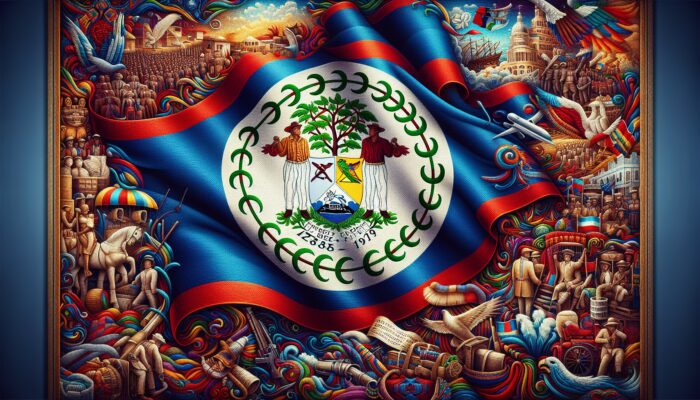
The Belize flag emerges from a rich historical narrative that showcases the nation’s unwavering quest for independence and its distinctive national identity. Officially adopted in 1981, this flag serves as a potent emblem of unity and resilience for the Belizean people. It narrates a compelling story of defiance against colonialism while celebrating the country’s cultural diversity. The flag’s evolution encompasses significant milestones, including:
- 1840: The establishment of British Honduras as a colony, paving the way for a distinct national identity.
- 1964: The introduction of a national emblem, which later became an integral component of the flag’s design.
- 1973: The implementation of national symbols, leading to the flag’s eventual conception.
- 1981: The flag’s official adoption coincided with Belize’s liberation from British colonial rule.
- 1990: The incorporation of the coat of arms, reinforcing the flag’s connection to national identity.
Throughout its historical journey, the flag has symbolised key moments in Belize’s past, encapsulating the spirit of resilience and the steadfast quest for self-determination among its citizens.
Understanding the Symbolism Embedded in the Belize Flag’s Design
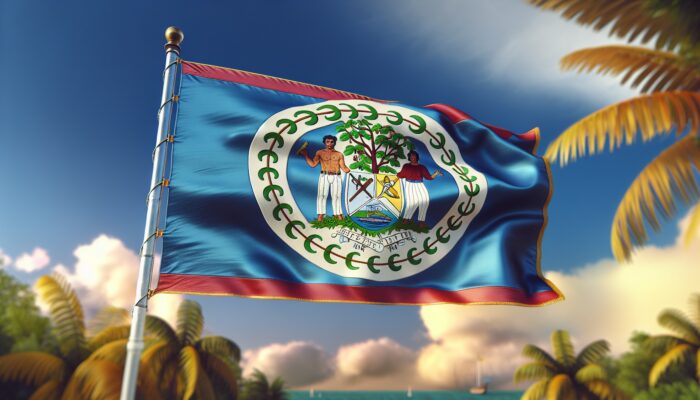
The design of the Belize flag is rich in symbolism, with each component carefully crafted to mirror the nation’s heritage and aspirations. The flag features a deep blue background bordered by red edges, prominently displaying the national coat of arms at its centre. The blue hue signifies both the Caribbean Sea and the Pacific Ocean, highlighting Belize’s geographical importance. The striking red borders represent the bravery and courage demonstrated by the Belizean people throughout their history.
The coat of arms illustrates two individuals from different ethnic backgrounds holding tools associated with the logging industry, a vital part of Belize’s economic legacy. The notable mahogany tree signifies the natural resources that have influenced both the economy and the national identity. Surrounding the shield, twelve stars represent the twelve districts of Belize, emphasising the unity among the country’s diverse cultures and communities.
Together, the elements of the flag weave a narrative that transcends generations, celebrating the vibrant cultural mosaic of Belize while embodying its indomitable spirit.
Tracing the Evolution of the Belize Flag Over Time
The evolution of the Belize flag reflects the changing national identity and political landscape of the country. Initially influenced by colonial symbols, the flag underwent significant transformations to more accurately represent Belize’s aspirations for independence and self-governance.
The original flag of British Honduras prominently displayed elements that echoed colonial heritage, often neglecting the stories of the local populace. As the push for autonomy gained momentum in the mid-20th century, the design began to be reassessed. In 1973, a committee was established with the objective of creating a flag that would genuinely represent all Belizeans, culminating in the adoption of the current design in 1981.
Over the years, the flag has retained its integrity whilst evolving into a symbol of national pride during various celebrations. Ongoing discussions surrounding the flag’s representation highlight the increasing recognition of Belize’s multicultural identity, nurturing a profound sense of belonging among its citizens.
In-Depth Insights into the Belize Flag: Your Essential Travel Guide
What Distinguishes the Belize Flag from Other National Flags?
The Belize flag stands out not only due to its vivid colours but also because of the profound narrative it conveys. Its distinctive design includes elements that resonate deeply with the cultural and natural heritage of Belize. Uniquely, the Belize flag prominently features a coat of arms, making it one of the few flags globally to incorporate such a detailed emblem at its centre.
The colour palette—blue, red, and white—symbolises freedom, strength, and purity, respectively. The presence of the coat of arms, which showcases a diverse representation of the Belizean populace, further enhances its uniqueness. This emblematic depiction of a mestizo and a Creole man underscores the country’s commitment to multiculturalism.
Furthermore, the twelve stars represent the twelve districts of Belize, fostering a sense of unity among the various groups within the nation. This characteristic differentiates the Belize flag from others that may focus solely on abstract symbols or singular narratives, providing a comprehensive view of the country’s rich cultural tapestry.
In What Ways Has the Belize Flag Inspired Art and Cultural Expressions?
The Belize flag has emerged as a significant source of inspiration for various forms of art and cultural expressions throughout the nation. Artists and creators continually draw from its vibrant colours and meaningful symbols, infusing their works with a sense of national pride. This influence spans numerous mediums, including painting, sculpture, textiles, and even street art.
For example, local artists frequently incorporate the flag’s colours into their canvases, representing the vitality of Belizean life and landscapes. A notable illustration is the annual Carnival celebration, where elaborate costumes prominently feature elements of the flag, creating a visual extravaganza that celebrates national pride.
The symbolism of the flag has also permeated literature and music, with numerous Belizean authors and musicians referencing it as a representation of resilience and cultural identity. This integration into cultural expressions cements the Belize flag as more than just a national emblem; it embodies the spirit and essence of the Belizean people.
What Are the Best Practices for Displaying the Belize Flag with Dignity?
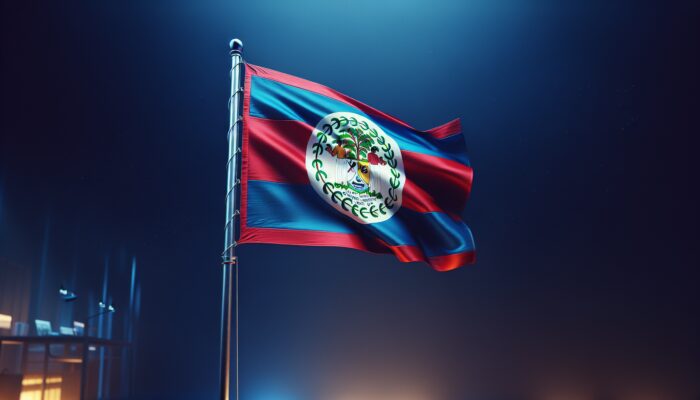
Displaying the Belize flag with utmost respect is essential in honouring its significance. Adhering to proper etiquette ensures that the flag is treated with due reverence and maintains its integrity. Here are the best practices for displaying the Belize flag:
- Mount the flag on a sturdy pole, ensuring it flies freely and remains visible from a distance.
- Do not allow the flag to touch the ground or any surface, as this may be considered disrespectful.
- When displayed indoors, position the flag to the right of a centre point or in a place of honour.
- Ensure the flag is well-lit when displayed at night, preserving its visibility and prominence.
Additionally, the flag should be raised briskly and lowered ceremoniously, reflecting the respect it deserves. Always inspect the flag for any signs of damage and retire it appropriately if it becomes worn or tattered.
Capturing the Essence of the Belize Flag in Travel Photography
What Are the Optimal Angles for Photographing the Belize Flag?
Capturing the Belize flag in travel photography requires careful positioning to effectively showcase its vibrant colours and meaningful symbolism. Understanding the best angles can elevate your images, making them resonate strongly with viewers. Here are some recommended angles and techniques:
- Low-angle shots: Positioning the camera below the flag can impart an imposing presence against the sky.
- Close-ups: Focusing on the intricate details of the coat of arms highlights its design and significance.
- Wide shots: Capture the flag within context, such as at national monuments or cultural events, to convey a sense of place.
- Diagonal framing: Tilting the camera slightly can create dynamic compositions that draw the viewer’s eye.
Experimenting with lighting can significantly enhance the flag’s visual appeal. The golden hour, shortly after sunrise or before sunset, provides a soft, warm glow that can make the colours pop beautifully. Additionally, consider incorporating local landmarks in the background to establish a deeper connection between the flag and its cultural significance.
How to Seamlessly Integrate the Belize Flag into Landscape Photography
Integrating the Belize flag into landscape shots not only enhances the visual narrative but also instills a sense of national pride in your photographs. When positioning the flag against the backdrop of Belize’s stunning landscapes—whether it be the Barrier Reef or the lush jungles—consider the following strategies.
Place the flag in the foreground of your composition to create a focal point that draws viewers into the scene. This placement highlights the connection between the flag and Belize’s breathtaking natural beauty, encapsulating the nation’s spirit. When photographing natural wonders, such as the Blue Hole or Mayan ruins, strive to balance the flag with the landscape, ensuring neither element overshadows the other.
Another effective technique is to use the flag as a frame. Position it along the edges of your shot to guide the viewer’s eye toward the landscape beyond. This method creates a compelling visual contrast while simultaneously celebrating Belize’s rich cultural heritage.
What Techniques Should Be Employed for Photographing the Belize Flag in Various Lighting Conditions?
Photographing the Belize flag in different lighting conditions requires adaptability to ensure colours and details are captured effectively. Various light sources can dramatically alter how the flag appears in your photographs.
In bright daylight, be mindful of glare and reflections that may wash out the flag’s colours. Position yourself to capture the flag at an angle where the light hits it favourably. Consider using a polarising filter to reduce glare and enhance colour saturation, making the flag’s blue and red hues appear even more vibrant.
During overcast conditions, the diffused light can create a soft and even lighting effect, ideal for showcasing the flag’s details. Adjust your camera settings to avoid underexposure, ensuring that the coat of arms remains visible and clear.
In low-light situations, such as at dusk or dawn, utilise a higher ISO setting to capture the flag without losing detail. Experiment with longer exposure times while keeping the camera steady to avoid motion blur. Additionally, consider backlighting the flag with artificial lights to make it stand out against the surrounding darkness, creating a striking visual impact.
Enhancing Cultural Portraits with the Belize Flag
Incorporating the Belize flag into cultural portraits offers a unique opportunity to showcase identity and pride. When photographing individuals or groups, position the flag strategically to complement the subject without overwhelming their presence.
One effective approach is to drape the flag over a shoulder or use it as a backdrop. This technique highlights the flag’s importance while creating a personal connection between the subject and their national pride. Ensure that the flag is well-positioned, with the coat of arms visible if possible, to reinforce the cultural narrative.
When capturing group portraits, encourage participants to hold the flag together, fostering unity and conveying a collective identity. This shared connection can evoke powerful emotions and tell a compelling story of belonging.
Moreover, pay attention to the lighting to ensure the flag’s colours remain vibrant and true to life. Soft, diffused light works best to prevent harsh shadows and highlights, allowing both the subjects and the flag to shine.
What Legal Considerations Should Be Acknowledged When Photographing the Belize Flag?
Understanding the legal guidelines when photographing the Belize flag is crucial for avoiding potential issues. Respecting national symbols, including the flag, is an essential aspect of photography in Belize.
When capturing images of the flag, especially in public spaces or during national celebrations, ensure that your use of the flag does not offend or misrepresent its significance. Commercial use of the flag without permission may violate copyright laws, so always seek consent if you intend to use the images for promotional purposes.
Additionally, be mindful of how the flag is portrayed in your photography. Avoid using the flag in a context that could be deemed disrespectful, such as altering its colours or using it in derogatory contexts. This principle extends to ensuring that the flag is displayed correctly during events or in settings where it is featured prominently.
Ultimately, respecting the legal and cultural significance of the Belize flag enhances the integrity of your photography while honouring the sentiments of the Belizean people.
Fundamental Guidelines for Belize Flag Etiquette and Respect
Best Practices for Handling and Folding the Belize Flag
Proper handling and folding of the Belize flag are essential for preserving its dignity and condition. When storing or transporting the flag, adhere to these guidelines to demonstrate respect:
- Always handle the flag with clean hands or gloves to prevent dirt or oils from staining the fabric.
- Never allow the flag to touch the ground during handling, as this symbolises disrespect.
- To fold the flag, first lay it flat, ensuring it is free of creases.
- Fold it in half lengthwise, precisely aligning the edges.
- Continue to fold it in half until it forms a rectangle, with the coat of arms on the outside.
- For the final touch, fold it neatly into a triangle, tucking the last point into the folds for secure storage.
These steps ensure the flag remains in pristine condition, reflecting the respect it commands as a national symbol. Additionally, when displaying the flag, ensure it is free from dirt and damage to honour its significance.
Identifying the Appropriate Occasions to Fly the Belize Flag
Knowing when to fly the Belize flag is vital for honouring national holidays and significant events. The flag should be prominently displayed on various occasions to express national pride and collective sentiment.
Typically, the Belize flag is flown on Independence Day, celebrated on September 21st, which marks the nation’s autonomy from British colonial rule. Other important observances include National Heroes and Benefactors Day, celebrated on March 9th, honouring those who contributed to the country’s development.
Additionally, the flag is displayed during public events, parades, and cultural festivals, symbolising unity among Belizeans. On days of national mourning or remembrance, the flag is flown at half-mast as a sign of respect for those who have passed. Understanding these occasions fosters a deeper appreciation for the flag’s role in Belizean society.
What Steps Should Be Taken If the Belize Flag Suffers Damage?
If the Belize flag becomes damaged, it is essential to handle the situation with care and respect. The flag represents a national symbol and should be treated accordingly.
First, inspect the flag for any signs of wear, such as frayed edges or faded colours. If it merely requires cleaning, ensure that it is washed gently and dried properly to maintain its condition. However, if the flag is beyond repair, it should be retired respectfully.
To retire a damaged flag, it is customary to burn it in a dignified manner, ensuring that the act is performed with respect. This practice symbolizes the end of the flag’s service while honouring its significance. Following retirement, consider acquiring a new flag to continue displaying this important symbol of national pride.
It’s crucial to educate others about the proper treatment of the flag to ensure that respect for this national symbol is maintained throughout the community.
How to Display the Belize Flag at Half-Mast with Dignity
Displaying the Belize flag at half-mast is a time-honoured tradition that signifies mourning or respect. Understanding the appropriate circumstances for this practice helps maintain the dignity of the flag and honours those it represents.
Typically, the flag is flown at half-mast during national mourning periods, such as the passing of a significant national figure or during national tragedies. To properly lower the flag, first raise it to the top of the pole before lowering it to the halfway mark, ensuring that it is centred.
When the mourning period concludes, the flag should be raised back to full height, symbolising the resumption of normalcy. This act reinforces the respect and reverence that the Belizean people hold for their national symbols and the memories of those honoured.
Additionally, public institutions, schools, and businesses are encouraged to follow these guidelines to maintain a unified expression of respect during periods of mourning.
What Are the Inappropriate Uses of the Belize Flag?
Certain uses of the Belize flag are prohibited to preserve its dignity and significance. Understanding these restrictions is vital for fostering respect for the national symbol.
Using the flag for commercial purposes, such as branding or advertising, is generally discouraged as it can undermine its value. Similarly, incorporating the flag into clothing, such as swimsuits or accessories, can be perceived as disrespectful, as it trivialises the flag’s significance.
Furthermore, altering the flag’s design or using it in a manner that could be deemed offensive is strictly prohibited. This includes using the flag in protests or in contexts that do not honour its status as a national symbol. Educating the public about these restrictions is essential to ensure that the Belize flag remains a respected emblem of national pride and heritage.
Investigating the Research-Backed Benefits of the Belize Flag: Your Comprehensive Travel Guide
How Does the Belize Flag Foster National Unity Among Citizens?
The Belize flag serves as a unifying symbol for the nation, fostering a sense of belonging and pride among its citizens. Research indicates that national flags significantly influence perceptions of identity and community cohesion. The Belize flag, with its multicultural representation, promotes unity among diverse ethnic groups within the country.
As citizens celebrate national holidays and events, the flag becomes a focal point that reinforces collective identity. Studies show that national symbols, like flags, can enhance feelings of loyalty and attachment to one’s country. For Belizeans, the flag’s colours and symbols resonate with shared experiences of struggle and triumph, promoting a greater sense of solidarity among individuals.
Community events, such as parades or cultural festivals, further amplify this sense of unity. When citizens come together to display the flag, they collectively affirm their identity and commitment to the nation, reinforcing social bonds and a sense of community that transcends individual differences.
The Role of the Belize Flag in Promoting Tourism Development
The Belize flag can significantly influence tourism by attracting visitors interested in the country’s rich culture and history. Tourists often seek authentic experiences that connect them with local traditions and heritage, and the Belize flag plays a pivotal role in this narrative.
Visitors are drawn to cultural festivals and events where the flag is prominently displayed, allowing them an opportunity to engage with Belize’s rich history and diverse cultures. The flag serves as a recognisable symbol, prompting visitors to take photos with it, further spreading awareness of Belize as a travel destination.
Moreover, tourism campaigns that incorporate the Belize flag can create a compelling brand identity. This strategy can enhance the country’s visibility in the global travel market, encouraging more visitors to explore its natural beauty and cultural offerings.
The economic benefits of increased tourism can significantly contribute to local businesses and communities, creating a positive feedback loop where national pride fosters economic growth and sustainability.
What Educational Advantages Come with Studying the Belize Flag?
Studying the Belize flag offers numerous educational benefits, helping students understand national symbols and their significance. The flag serves as a historical artifact, providing insight into the country’s past, cultural diversity, and aspirations.
Incorporating the flag into educational curricula can promote discussions about nationalism, identity, and history. Students can analyse the flag’s elements, exploring how they reflect the values and traditions of Belizean society. This process encourages critical thinking and fosters a deeper appreciation for cultural heritage.
Additionally, learning about the flag can enhance civic education, prompting students to engage with national issues and develop a sense of responsibility towards their community. By understanding the flag’s symbolism, students cultivate a sense of pride in their national identity, reinforcing their connection to Belize’s rich history and promising future.
Such educational initiatives can inspire future generations to uphold the values represented by the flag, creating a lasting legacy of national pride and unity in Belizean society.
How Does the Belize Flag Shape National Identity Among Citizens?
The Belize flag plays a crucial role in defining national identity, reinforcing cultural values and historical narratives among its people. As a symbol of independence and unity, the flag transcends individual differences, creating a shared identity among Belizeans.
Research indicates that national flags contribute to the formation of collective memory and identity, reinforcing the importance of belonging to a larger community. The Belize flag’s unique design, which celebrates multiculturalism, resonates with citizens from various backgrounds, fostering inclusivity and solidarity. This inclusivity is vital in a country with diverse ethnic groups, as it encourages unity while respecting individual heritages and traditions.
Public events and celebrations centred around the flag allow citizens to express their national identity collectively. When individuals come together to celebrate their country, they reinforce shared values and aspirations, creating a cohesive national narrative that strengthens community ties.
The flag serves as a reminder of the struggles and achievements that have shaped Belize’s history, allowing citizens to connect with their heritage and instilling pride in their unique identity.
The Economic Impact of the Belize Flag on Local Businesses
The Belize flag can positively affect local economies by increasing merchandise sales and promoting national pride. Businesses that incorporate the flag into their branding or products can tap into the growing demand for culturally significant items that resonate with both locals and tourists.
For example, local artisans may create handcrafted goods featuring the Belize flag, attracting tourists and residents who wish to celebrate their identity. This connection to national pride enhances the perceived value of these products, leading to increased sales and customer loyalty.
Moreover, the flag’s visibility during national events can boost foot traffic to local businesses, encouraging consumers to support their community. As the flag is displayed prominently, it can inspire a sense of loyalty among consumers who wish to contribute to their local economy and cultural heritage.
Additionally, tourism that centres around national symbols, including the flag, can lead to the development of new businesses catering to visitors. These ventures can create jobs and stimulate economic growth, further demonstrating the flag’s role as a catalyst for local prosperity.
The Belize Flag’s Representation in Popular Culture
How Is the Belize Flag Represented Across Various Media Platforms?
The Belize flag frequently appears in diverse forms of media, including movies and television shows, symbolising national identity and pride. Its depiction in visual storytelling often serves to contextualise narratives within a Belizean framework, allowing viewers to connect with the rich culture.
In film and television, the flag may appear during scenes that highlight national celebrations or significant events, reinforcing the importance of national identity in the narrative. Such representations contribute to a positive image of Belize on a global scale, showcasing its vibrant culture and rich history.
Furthermore, documentaries focusing on Belizean life often feature the flag as a central symbol, illustrating the country’s journey toward independence and self-identity. This media presence contributes to a broader understanding of Belize’s cultural landscape, emphasising the flag’s vital role in shaping national narratives.
As platforms like social media continue to grow, the flag’s presence in posts and stories fosters a digital community where Belizeans can celebrate their identity and culture. This online representation further amplifies the flag’s significance in modern society.
What Influence Does the Belize Flag Have in Music and Literature?
The Belize flag has made its mark in music and literature, serving as a powerful symbol of national sentiment. Many Belizean musicians draw inspiration from the flag in their lyrics and performances, expressing themes of pride, resilience, and identity.
Songs that reference the Belize flag often evoke emotions tied to national pride, unity, and the struggles faced by the nation. These musical expressions resonate with listeners, fostering a collective sense of identity among Belizeans and encouraging a celebration of their rich heritage.
In literature, authors may incorporate the flag as a motif to explore themes of belonging and cultural identity. Through storytelling, the flag serves as a backdrop for narratives that reflect the experiences of Belizeans, reinforcing the connection between personal stories and national identity.
The flag’s presence in both music and literature showcases the diverse ways it influences cultural expression, allowing Belizeans to articulate their identity and heritage through various creative outlets.
How Has the Belize Flag Inspired Fashion Trends?
The Belize flag has inspired a variety of fashion designs, from clothing to accessories, reflecting national pride in personal style. Designers often incorporate the flag’s colours and symbols into their creations, celebrating Belizean heritage through innovative fashion.
Fashion lines featuring the Belize flag can range from casual wear, such as t-shirts and hats, to more formal attire, showcasing the versatility of its design. This incorporation allows individuals to express their identity and pride in unique ways, making the flag a prominent element of personal style.
Moreover, during cultural events and celebrations, it is common to see attendees donning clothing adorned with the flag, emphasising the connection between fashion and national pride. This trend fosters a sense of community among wearers as they collectively celebrate their identity and heritage.
Fashion shows and events that highlight Belizean designers often feature the flag prominently, showcasing its influence on contemporary styles. As part of a broader movement to promote local talent, the flag becomes a symbol of creativity and cultural expression.
What Common Misunderstandings Exist Regarding the Belize Flag?
Misconceptions Surrounding the Colours of the Belize Flag
Misinterpretations regarding the colours of the Belize flag are prevalent, leading to misconceptions about their significance. While blue represents the Caribbean Sea and the Pacific Ocean, and red symbolizes courage, many often overlook the deeper meanings behind these hues.
Some may mistakenly believe that the colours represent political affiliations or personal ideologies. However, the colours are meant to embody the unity and resilience of the Belizean people, transcending individual beliefs to reflect a collective identity that resonates with all citizens.
Educating the public about the true meanings of the flag’s colours can help dispel these misunderstandings. Understanding the colours in the context of Belizean history and culture fosters a more profound appreciation for the flag as a national symbol that binds the nation together.
Myths About the Origin of the Belize Flag
Various myths surround the origin of the Belize flag, often confusing historical facts with folklore. Some narratives suggest that the flag was created spontaneously during moments of national pride, overlooking the extensive deliberation that went into its design.
In reality, the flag’s creation was a thoughtful process involving public input and consideration of Belize’s diverse cultural heritage. Understanding the actual historical context can help dispel these myths and promote a more accurate narrative about the flag’s origins.
Promoting awareness of the flag’s true history can encourage citizens to take pride in its significance. By educating the public about the flag’s development, misconceptions can be replaced with a deeper understanding of its meaning and value in Belizean society.
What Are the Incorrect Methods for Displaying the Belize Flag?
Incorrectly displaying the Belize flag can lead to disrespect and misunderstanding of proper etiquette. Common mistakes include positioning the flag upside down, using it merely as decoration, or allowing it to touch the ground.
Displaying the flag in a manner that diminishes its significance, such as using it as clothing or in commercial advertisements, is also discouraged. Such incorrect displays can undermine the flag’s value as a national symbol and lead to public discontent.
Educating the community about the proper way to display the flag is essential to ensuring that it is treated with the respect it deserves. By promoting awareness of flag etiquette, citizens can foster a culture of reverence and pride in their national symbol.
Common Misunderstandings About the Belize Flag’s Symbols
The symbols on the Belize flag are often misinterpreted, leading to widespread misconceptions about their significance and historical context. For instance, the two men depicted in the coat of arms may be misunderstood as representing specific ethnic groups, rather than embodying the unity of Belize’s multicultural society.
Additionally, some may overlook the significance of the twelve stars surrounding the coat of arms, interpreting them incorrectly as merely decorative elements. In reality, these stars symbolise the twelve districts of Belize, emphasising the importance of unity across diverse regions of the country.
By educating the public about the true meanings behind the symbols, misconceptions can be clarified, fostering a more profound respect for the flag. Understanding the context and history of these symbols enhances appreciation for the flag as a representation of Belizean identity and heritage.
Effective Strategies for Promoting the Belize Flag: Your Comprehensive Travel Guide
How to Successfully Educate Others About the Belize Flag
Educating others about the Belize flag involves sharing its history, symbolism, and proper etiquette. Here are actionable steps for effective educational strategies:
- Organise workshops or community events focused on the flag’s history and significance.
- Distribute informative pamphlets or digital content that explains the symbols and their meanings.
- Incorporate discussions about the flag in local schools, emphasising its role in national identity.
- Encourage local artists to create works that highlight the flag, fostering engagement through creativity.
By employing these strategies, communities can foster a deeper understanding of the flag’s value, ensuring that respect for this national symbol is passed down through generations. Engaging citizens in discussions about the flag’s meaning contributes to a greater sense of pride and connection to Belizean culture and heritage.
Integrating the Belize Flag into Captivating Travel Itineraries
Including the Belize flag in travel itineraries can enhance the cultural experience for visitors, offering insights into national pride. Travelers often seek authentic experiences, and engaging with the flag’s symbolism can provide a unique perspective on Belizean culture.
Encourage visitors to participate in local events where the flag is prominently displayed, such as Independence Day celebrations or cultural festivals. These activities allow travelers to witness how the flag serves as a focal point of national pride and unity among Belizeans.
Additionally, suggest visits to museums or cultural centres that feature exhibits on the flag’s history and significance. This educational component enriches the travel experience, providing a deeper understanding of Belizean identity and heritage.
By integrating the flag into travel itineraries, visitors can connect with the essence of Belize, fostering a more meaningful exploration of the nation and its culture.
What Are the Most Effective Ways to Celebrate the Belize Flag?
Celebrating the Belize flag can be accomplished through various activities and events that honour its significance and promote national unity. Here are some of the best ways to celebrate:
- Organise community gatherings centred around the flag, such as parades or cultural festivals.
- Host educational workshops or discussions that explore the flag’s history and symbolism.
- Create art projects that involve the flag, allowing individuals to express their creativity while celebrating national pride.
- Encourage local businesses to display the flag prominently, fostering a sense of community spirit among residents.
These activities not only celebrate the flag but also reinforce a collective identity among Belizeans. By participating in such events, citizens can affirm their pride and commitment to the values represented by the Belize flag, fostering a culture of respect and unity throughout the nation.
Frequently Asked Questions About the Belize Flag
What do the colours of the Belize flag signify?
The blue stands for the Caribbean Sea and the Pacific Ocean, while red symbolizes the bravery and courage of the Belizean people. Together, these colours embody the nation’s spirit and resilience.
When was the Belize flag officially adopted?
The Belize flag was officially adopted on September 21, 1981, coinciding with the country’s independence from British colonial rule.
Why is the coat of arms included in the Belize flag?
The coat of arms symbolizes the cultural diversity and historical significance of Belize, featuring individuals from different ethnic backgrounds to represent unity and strength.
How should the Belize flag be displayed during national holidays?
During national holidays, the Belize flag should be displayed prominently, raised briskly in the morning, and lowered ceremoniously at sunset, honouring its significance and heritage.
What actions should be taken if the Belize flag is damaged?
If the Belize flag is damaged, it should be treated with respect—either repaired or retired in a dignified manner, typically through burning it in a respectful ceremony.
Are there any restrictions on using the Belize flag in fashion?
Yes, using the Belize flag in fashion, particularly for commercial purposes, is discouraged as it can undermine the flag’s significance and dignity, which should be preserved.
How can schools incorporate the Belize flag into their curriculum?
Schools can incorporate the Belize flag by discussing its history, symbolism, and significance in forming national identity, fostering a sense of pride among students and community members.
What role does the Belize flag play in tourism?
The Belize flag serves as a cultural symbol that attracts tourists interested in experiencing the nation’s heritage while encouraging engagement with local traditions and celebrations.
How can individuals celebrate the Belize flag in their communities?
Individuals can celebrate the Belize flag by participating in local events, organizing discussions, or creating art projects that honour its significance, fostering community pride and unity.
Why is it important to respect the Belize flag?
Respecting the Belize flag is crucial as it represents national identity, unity, and the collective heritage of the Belizean people, fostering community pride and a sense of belonging.
The Article Belize Flag: Your Ultimate Travel Resource Guide appeared first on Belize Travel Guide
The Article Belize Flag: The Essential Guide for Travelers Was Found On https://limitsofstrategy.com